




MVP scope and launch plan
We define the user, promise, riskiest assumption, feature boundary, build path and release checklist before design or code expands.

HQ Paphos, Cyprus · worldwide
99 Francs® helps startups cut the first product to a tight launch scope, design the user journey, build the visible product surface and prepare the page, analytics and feedback loop needed to learn from real users.
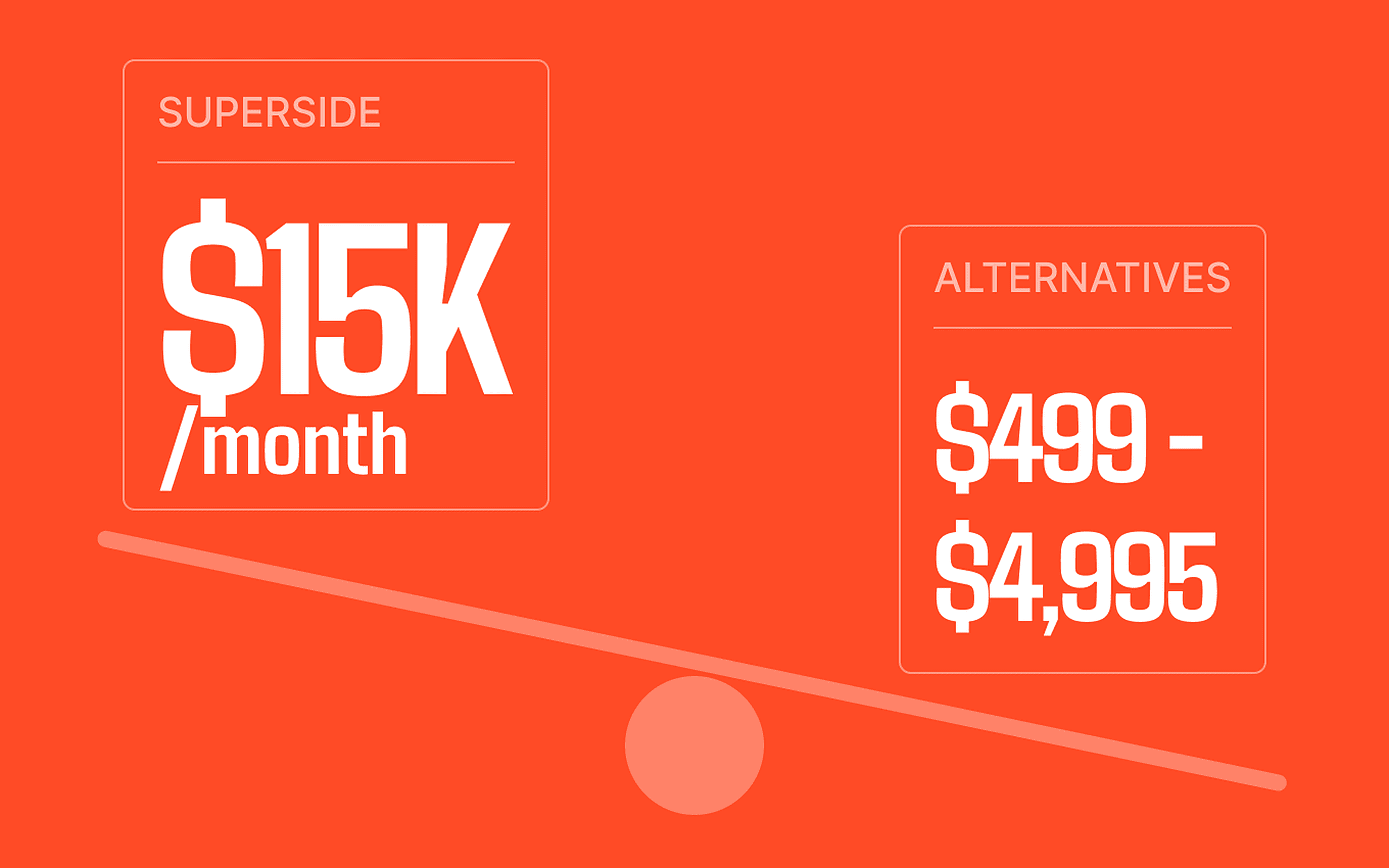
MVP sprints start from US$5,000, in fixed-price phases with no upfront payment.
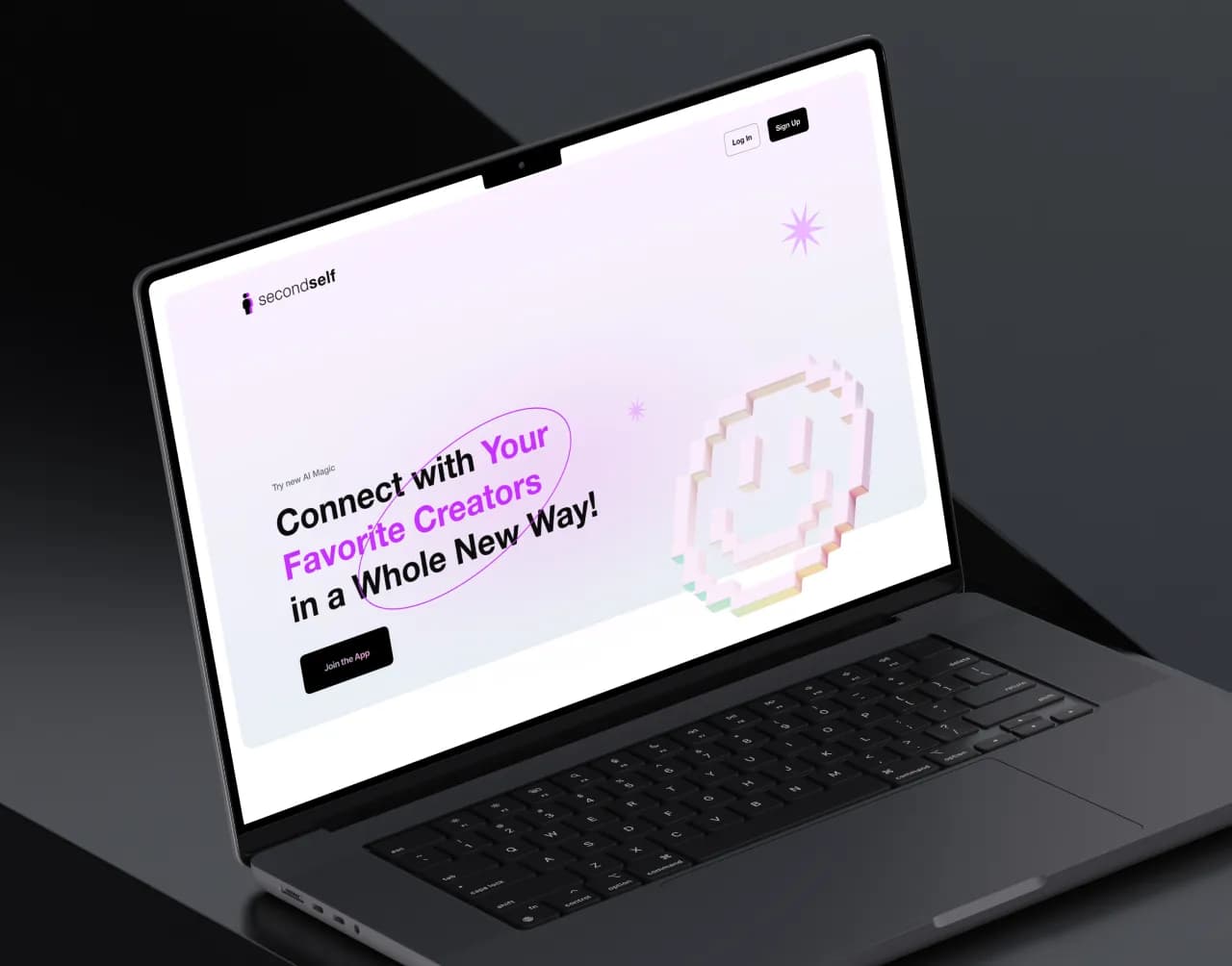
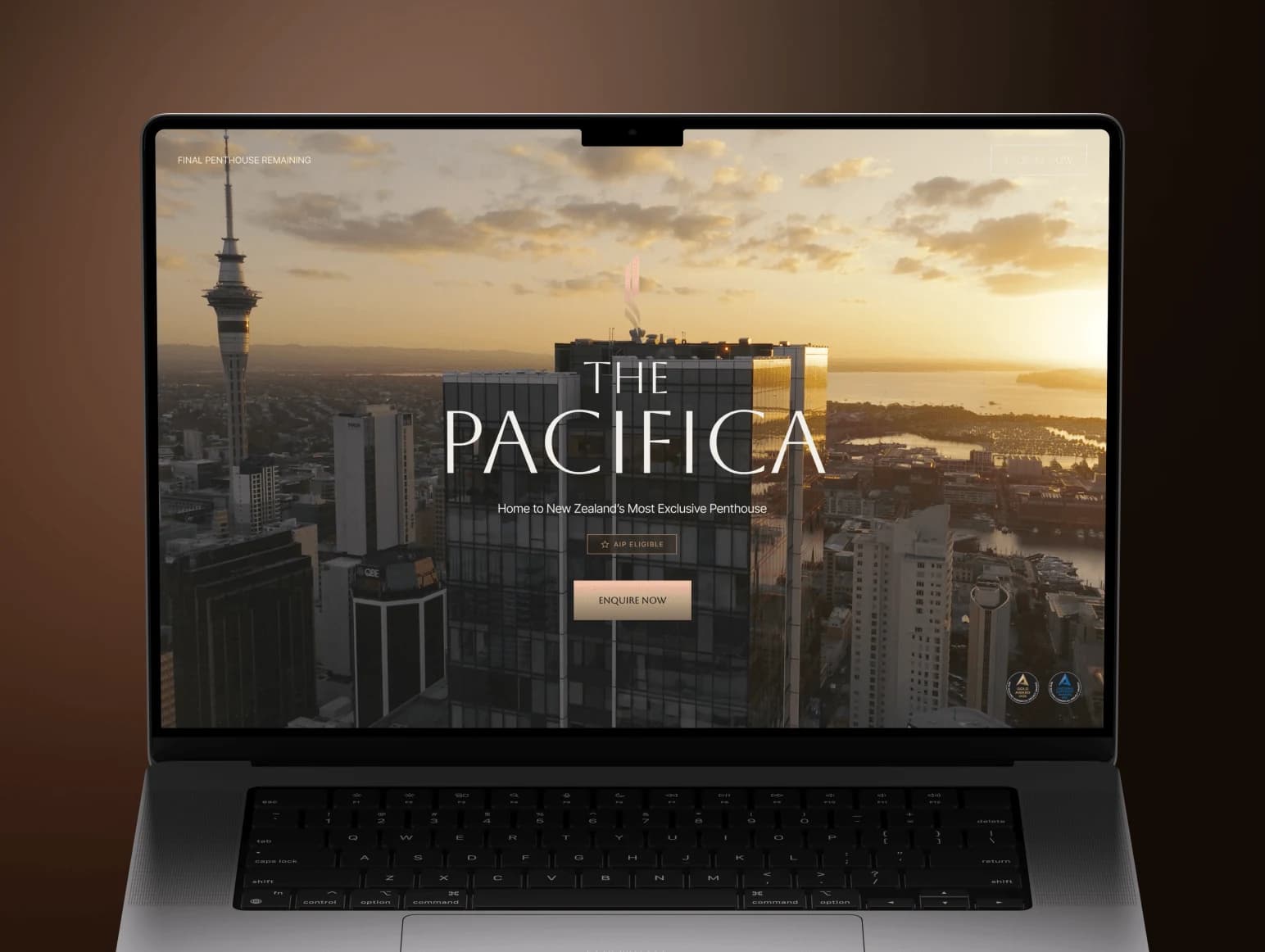
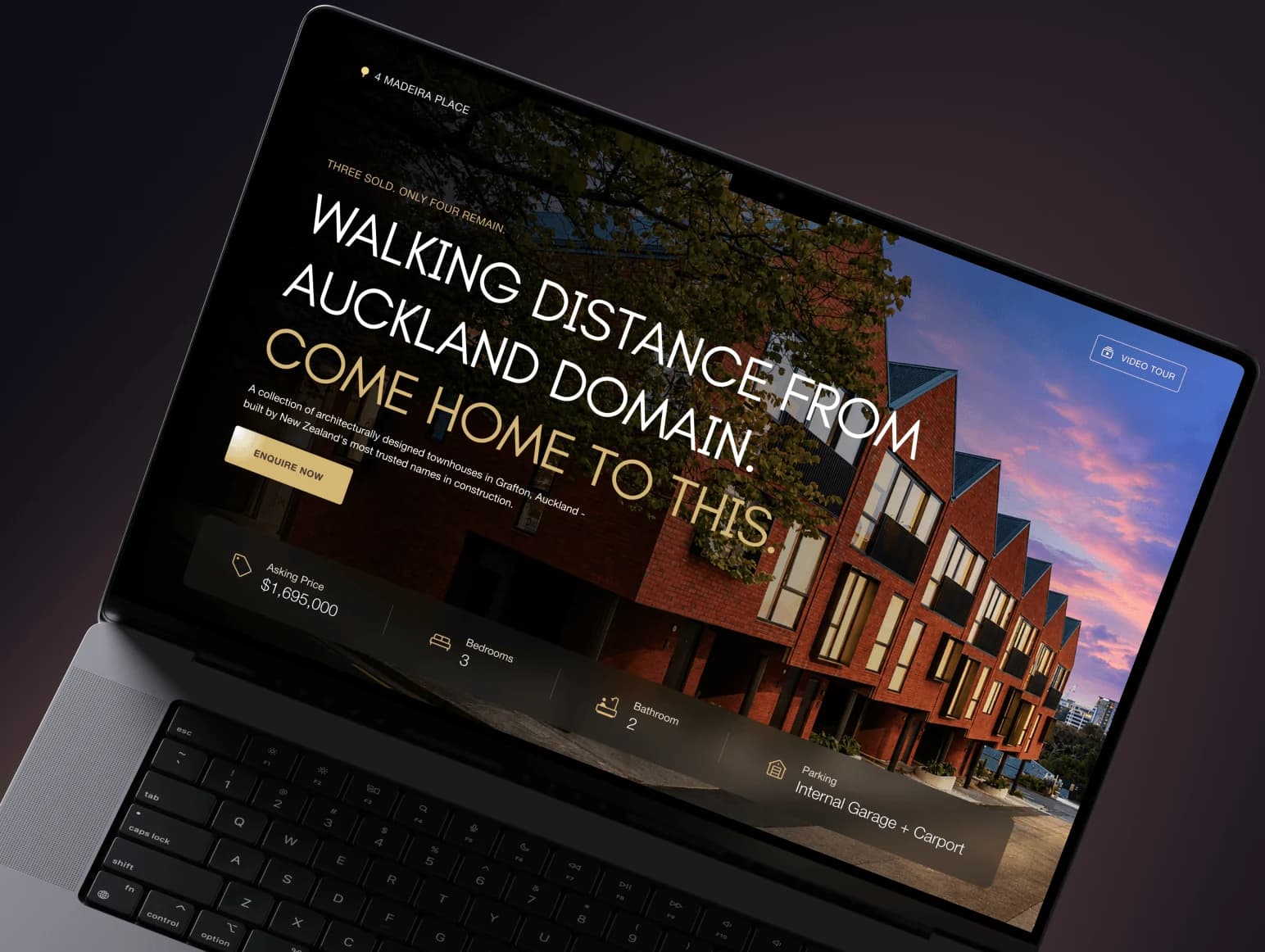
Web product
Secondself
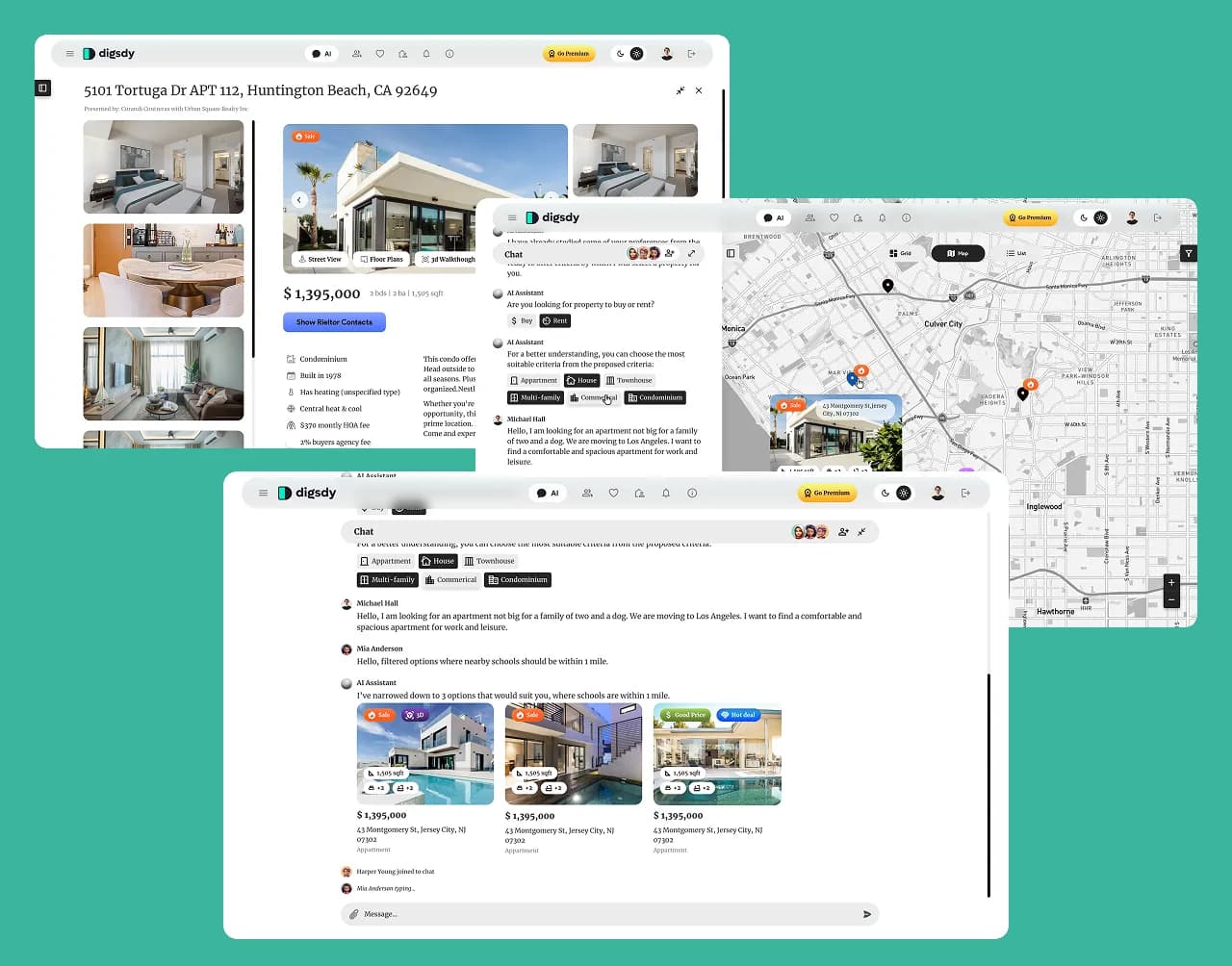
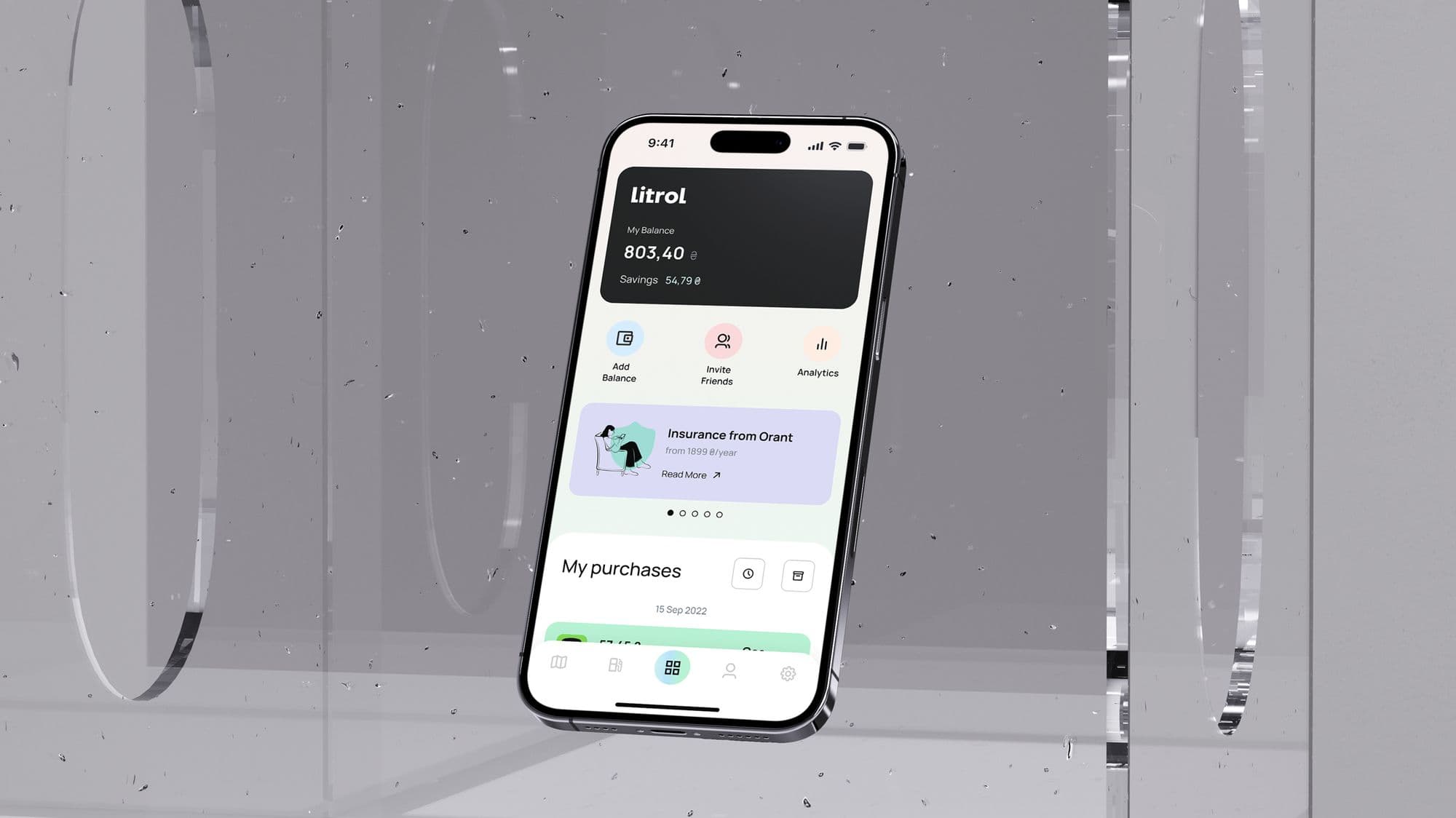
Mobile app
Digsdy
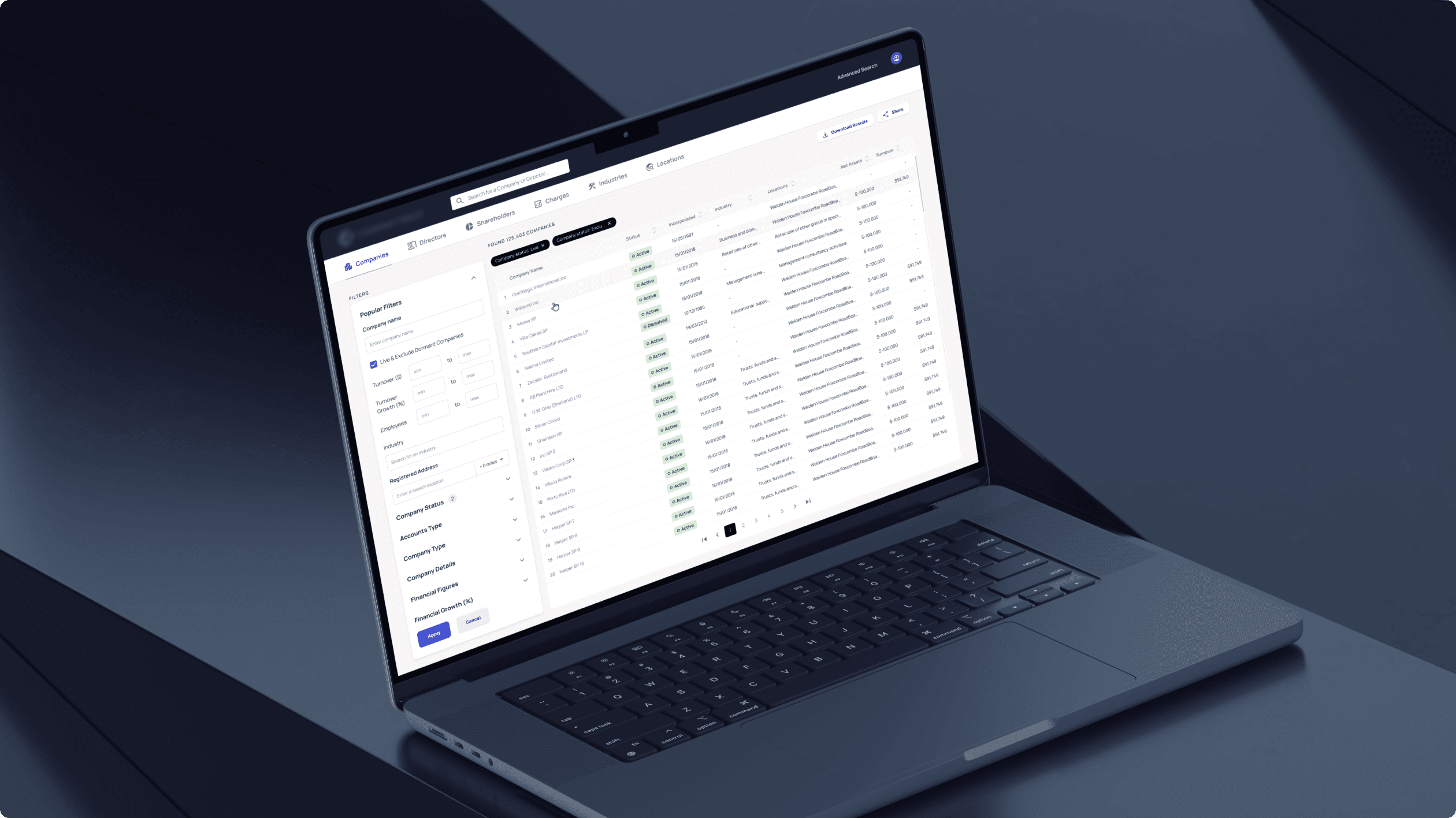
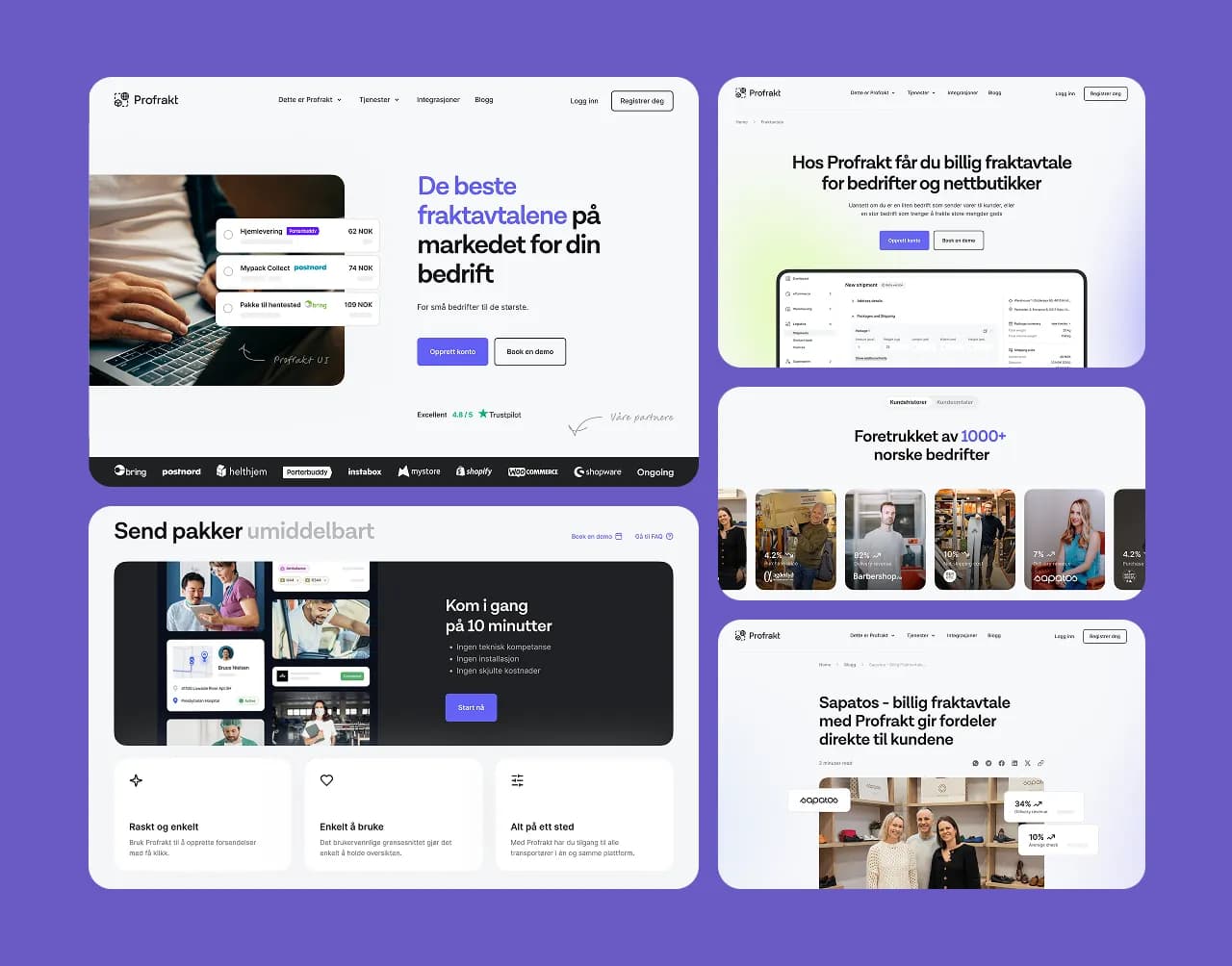
Search tool
Open Company Search
150+
shipped projects
$32M+
raised by clients
9,000+
tasks delivered
This service is for startup MVPs, SaaS MVPs, AI product MVPs, mobile MVPs and web app MVPs where the goal is to launch a credible first version, collect evidence and avoid months of premature product development.
Fast MVP development only works when strategy, UX, visual design, frontend build and launch content stay inside the same scope.
We define the user, promise, riskiest assumption, feature boundary, build path and release checklist before design or code expands.
Core flows, onboarding, dashboards, forms, empty states, errors and responsive UI are designed around one clear first version.
Depending on scope, the MVP can become a Framer, Webflow, React/Next.js, Python-backed or mobile product surface ready for real users.
The offer, landing page, FAQ, metadata, schema and internal links are structured so search engines and answer systems understand the MVP.
Use this sprint when the product idea needs a clickable, usable or launchable version that can be shown to users, investors or early customers.
We cut the product down to the first testable promise: one audience, one main job, one conversion path and the smallest set of features needed to learn.
The sprint connects positioning, UX, product UI, frontend development and launch content so the first version does not feel like disconnected assets.
The goal is not to fake the future product. The goal is to ship a tight version with enough structure, analytics and ownership to support the next iteration.
The process is built around scope control. Every decision has to help the first release ship, explain the product and produce useful feedback.
We clarify the user, problem, offer, core workflow, business model, technical constraints and what must be excluded from version one.
We create the landing page story, core product screens, states, interaction logic and trust signals needed for a credible first release.
We develop the scoped surface with the right stack for the job: Framer, Webflow, React/Next.js, Python, no-code glue or a hybrid setup.
We prepare launch checks, analytics, feedback capture, QA notes and the next-sprint backlog so the MVP can produce useful evidence.
The sprint avoids feature sprawl and focuses on the version that can validate demand, usability, pricing, acquisition or investor interest.
The MVP is built around the first buyer, user or workflow instead of trying to serve every segment on day one.
We prioritize the main behavior that proves value: submit, generate, book, search, compare, track, pay, invite or complete.
The release may be a landing page plus prototype, a web app, a mobile flow, a dashboard or a lightweight automation.
Analytics, feedback capture and next-step backlog are included so the MVP creates evidence instead of just existing online.
For founders who need product UX, an investor-ready prototype, launch narrative and the clearest version of the first user journey.
Explore product designFor teams with a clear scope that need a frontend, CMS, app surface, API integration or lightweight backend shipped quickly.
Explore web developmentFor iOS, Android or cross-platform app ideas that need a lean mobile product surface before a larger native roadmap.
Explore mobile appsFor startups that need ongoing design, product iteration and launch support after the first MVP sprint is live.
Explore subscriptionThese projects show the kind of product clarity, interface structure and launch polish that a focused MVP sprint needs.
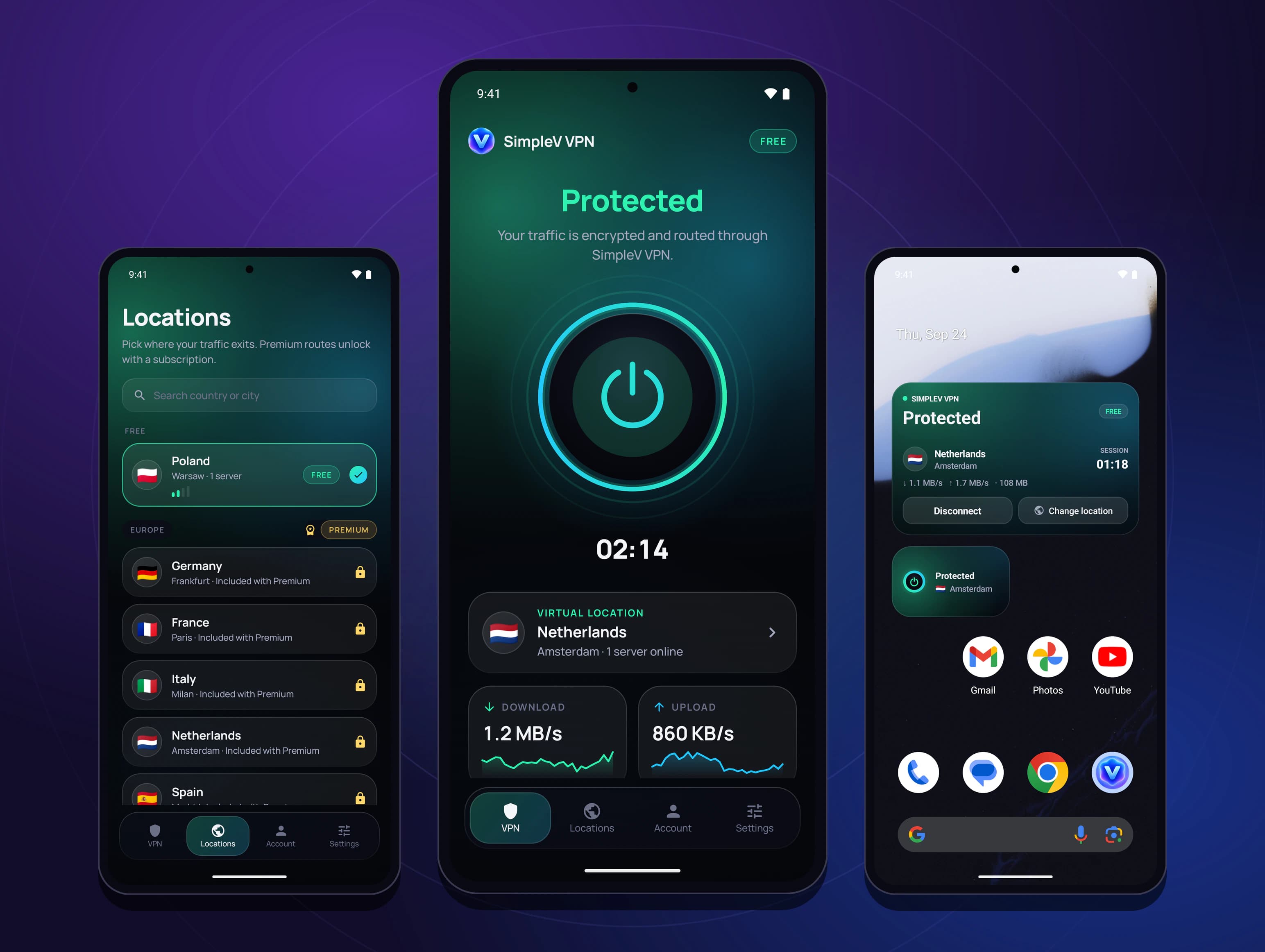
Android App · VPN
Our own one-tap VPN for Android: no account to start, no traffic logs, WireGuard or Xray Reality to get through networks that block VPNs. A Kotlin and Compose app, an Express and Postgres control plane on Railway and exit nodes on Vultr that start on demand, live on Google Play about two weeks after active work began, plus a Chrome extension that protects the browser on the same accounts.
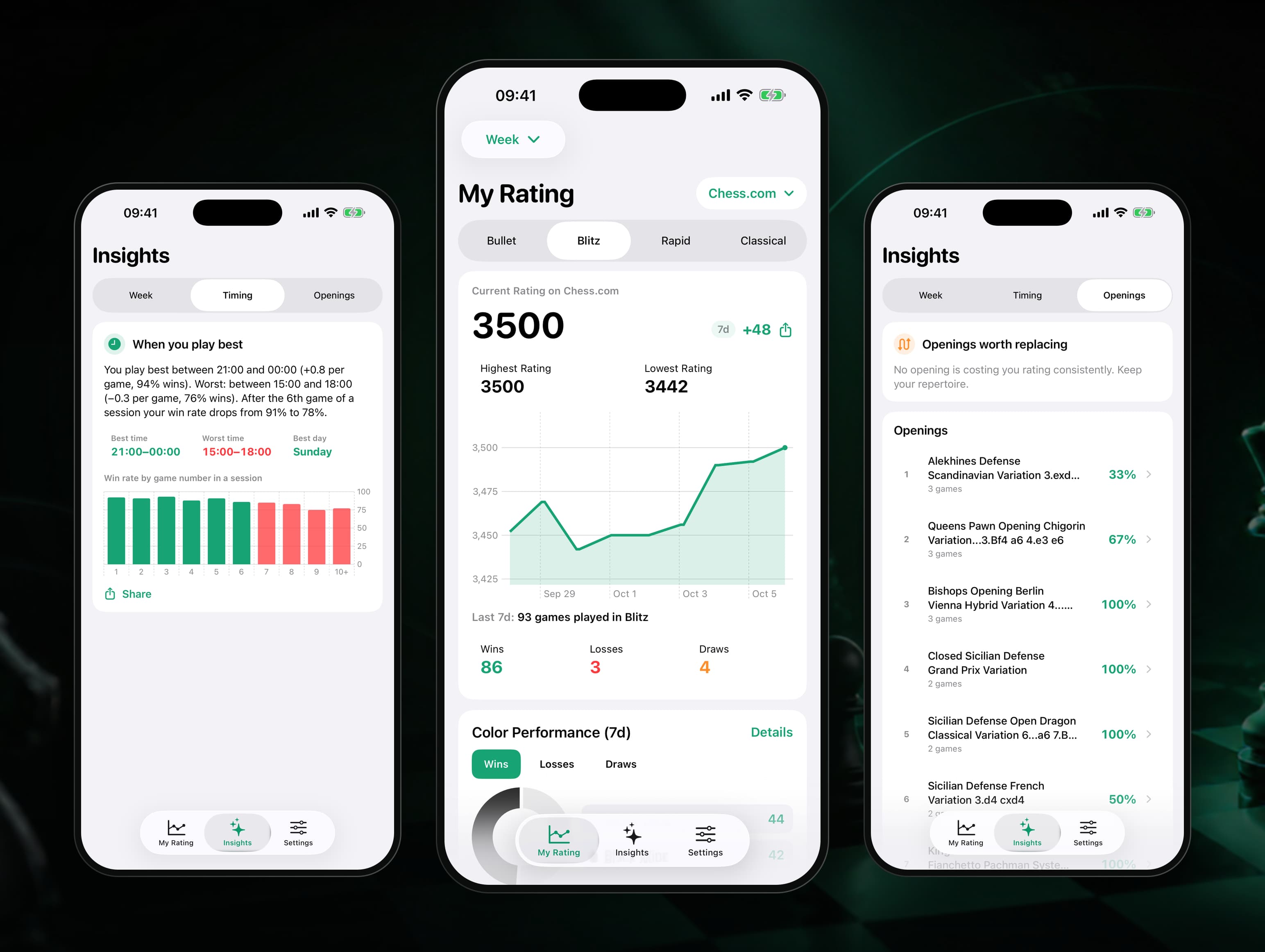
iOS App · Widgets
Our own iPhone app and home-screen widget that puts Chess.com and Lichess ratings in one place and explains why they move: tilt check, best hours, openings that cost points, goals and a Sunday report. SwiftUI, WidgetKit and StoreKit 2 on a Node and Postgres backend, designed, shipped and run by 99 Francs.
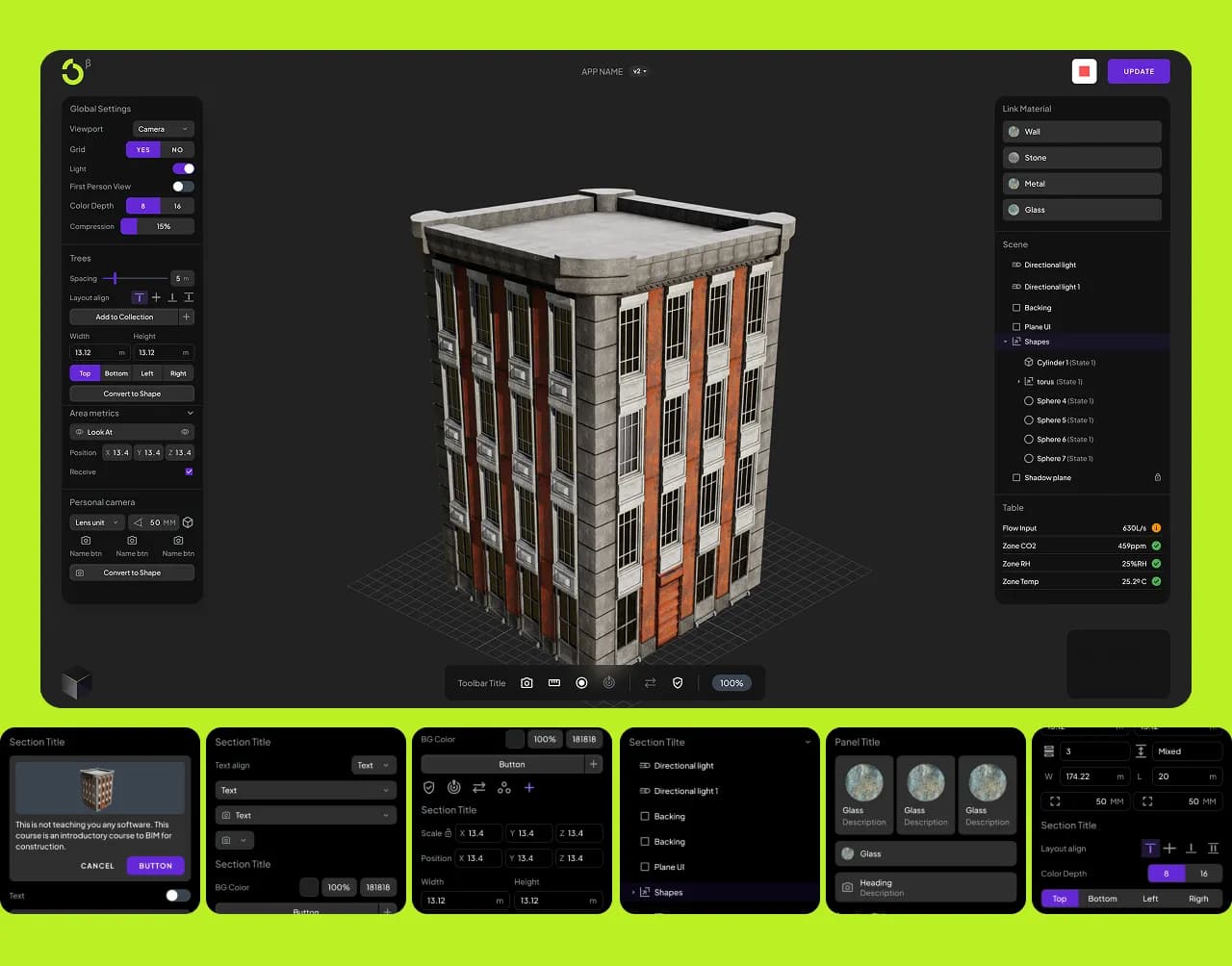
Visual coding
Web application for visual BIM coding with a modular interface and Framer landing pages showcasing 3D capabilities. Educational positioning with engaging, technical visuals.
How we build startup MVPs without upfront payment — an outcome-based, phase-by-phase process where you pay only for results you approve, delivered as design plus working code in about two to three weeks.
Yes, in fixed-price phases. 99 Francs MVPs start from $5,000; scope and price are agreed before each phase begins, you pay when the phase works, and revisions inside it cost nothing extra. The total depends on how many phases the MVP needs, not on one guess made on day one.
It can be both. Some founders need a design-first MVP with UX, prototype and launch story. Others need a build-first MVP with frontend development and integrations. The sprint is scoped around the fastest useful proof.
No. Like our other larger builds, an MVP sprint runs in fixed-price phases with no deposit — you review the working result and pay only once you’re satisfied with it. See the full breakdown of how we work.