




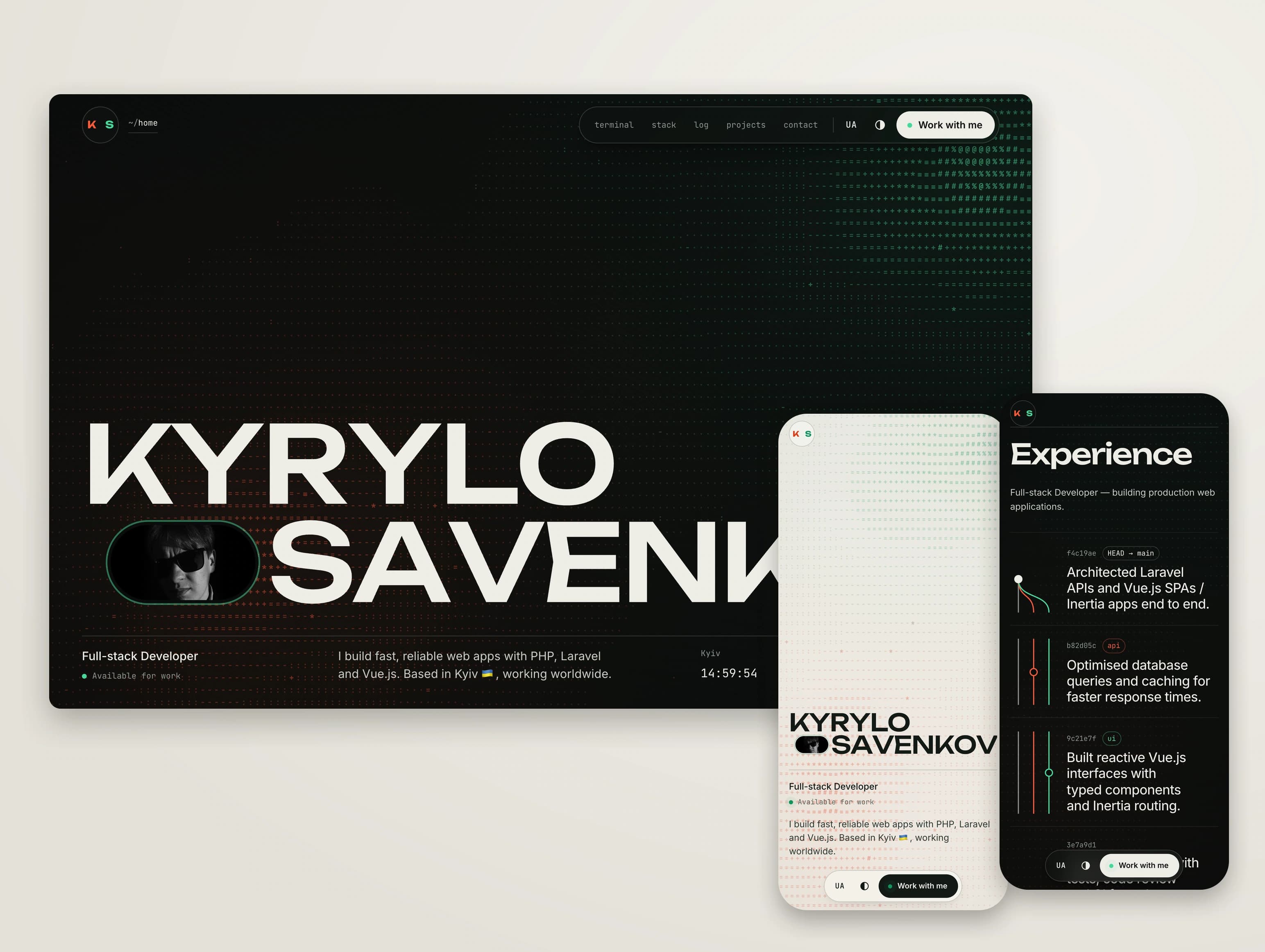
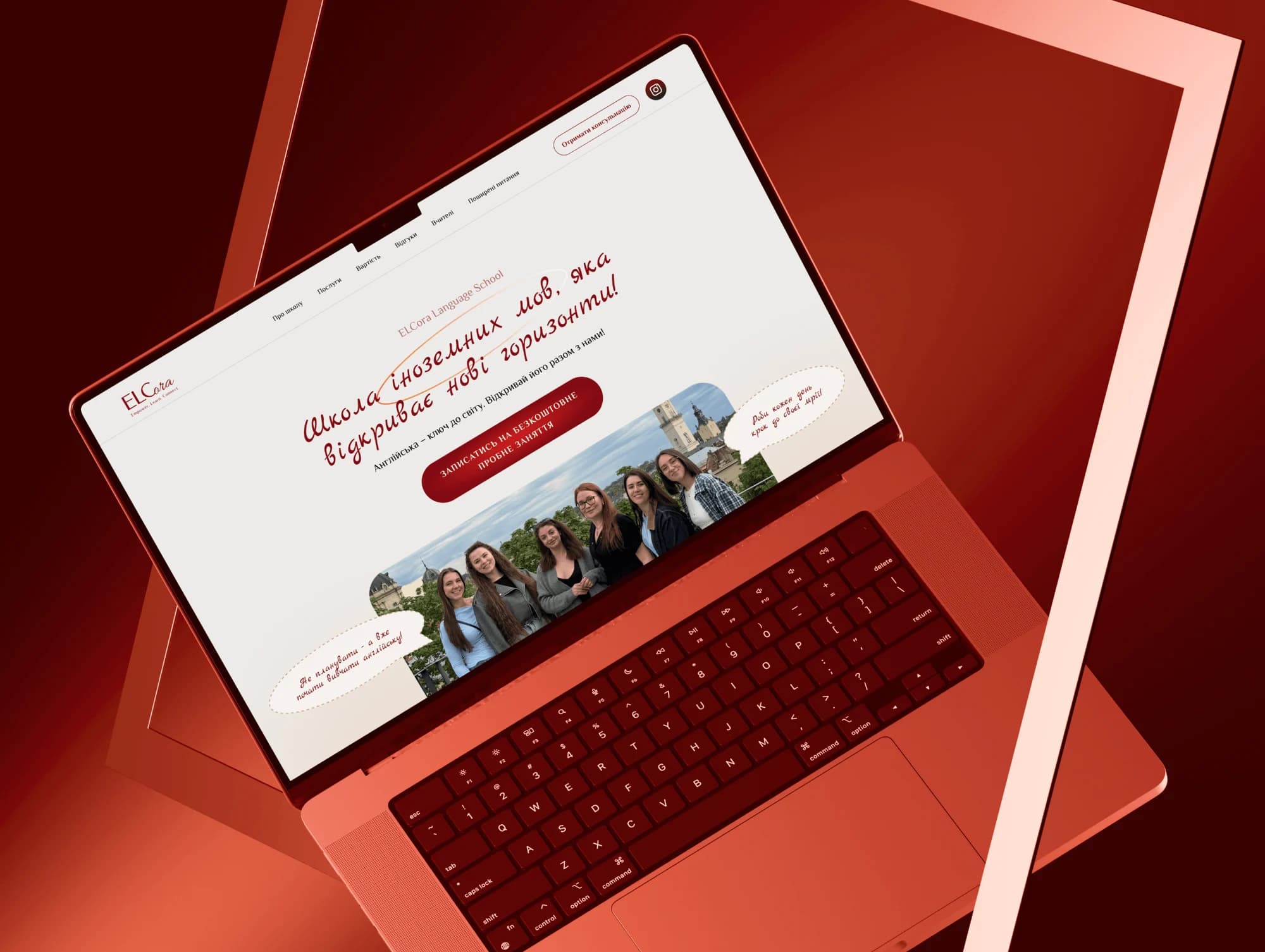
Build-path recommendation
We choose Framer, Webflow, Astro, React/Next.js or Python based on content ownership, integrations, data needs, performance, design complexity and launch timeline.

HQ Paphos, Cyprus · worldwide
99 Francs® develops marketing websites, SaaS pages, CMS systems, custom frontends and Python-backed tools for teams that need the site to look like the design and work like a product surface.
Fixed USD prices, paid when it's done: landing pages from US$1,500, marketing websites from US$3,000, custom web apps from US$5,000 (in phases). No upfront payment.
150+
shipped projects
$32M+
raised by clients
9,000+
tasks delivered
The service covers Framer development, Webflow development, Astro development and migration, React/Next.js frontend development, Python development, CMS setup, responsive implementation, forms, APIs, metadata, QA and launch support for focused web projects.
Build paths
High-polish marketing sites, landing pages and campaign pages when speed, motion and visual fidelity matter more than heavy CMS complexity.
Explore Framer builds →Editable CMS websites, landing page systems, migrations and marketing sites for teams that need reliable content control after launch.
Explore Webflow builds →Fast static-first websites with Markdown content and multilingual routing, plus migrations from WordPress, Webflow and Framer to Astro, when the site is mostly content and you want to own the code.
Explore Astro builds →Custom frontends, product-like websites, MVP surfaces, integrations and performance-sensitive builds when no-code starts to limit the product.
Explore React/Next builds →Data products, automations, FastAPI services and market-facing tools when the website needs backend logic, APIs or data workflows.
Explore Python builds →Low-latency execution cores, backend services, systems components, CLIs and WebAssembly — plus Python-to-Rust migrations for the one hot path that has to be fast and safe.
Explore Rust builds →Design and development for NZ businesses with Auckland casework, NZ-friendly hours and outcome-based payment — no deposit, you pay when it is done.
Explore NZ web development →Design and development for Norwegian businesses with casework for Profrakt, Villa Stenshyll and Y av Klempe og Dons, near-full overlap with Oslo hours, and outcome-based payment — no deposit, you pay when it is done.
Explore Norway web development →What you get
The build should not flatten the design or create a maintenance problem. We keep implementation decisions tied to performance, content ownership, responsive behavior and the launch goal.
We choose Framer, Webflow, Astro, React/Next.js or Python based on content ownership, integrations, data needs, performance, design complexity and launch timeline.
Desktop, tablet and mobile states are implemented with careful spacing, interaction states, animation behavior and layout stability.
When the site needs editing, we define collections, reusable sections, page templates and fields that match how the team will maintain content.
The build is checked for forms, routing, metadata, responsive behavior, speed, crawlability, tracking hooks and handoff clarity.
What it costs
One focused conversion page: design, build, forms and analytics.
from US$1,500
Get a quoteMulti-page site with CMS; the price scales with page count.
from US$3,000
Get a quoteReact/Next.js builds with custom logic, integrations and product-like behavior.
from US$5,000
Get a quoteNo deposit on anything. A landing page or a website is paid in one payment at the end, once it is delivered and working; larger builds run in fixed-price phases, paid at the end of each phase.
Read the full breakdown of our outcome-based processBest fit
Process
The process keeps design, content, CMS, integrations, QA and launch readiness in one line so the final site is easier to ship and maintain.
We review designs, copy, content models, integrations, traffic goals, SEO requirements and the maintenance workflow after launch.
We choose Framer, Webflow, Astro, React/Next.js or Python, then map components, CMS collections, data flows, responsive rules, animations and launch dependencies.
We implement the pages, reusable sections, forms, CMS fields, interactions, metadata and responsive states needed for a polished release.
We test the site across viewports, review content editing, check SEO basics, connect analytics or forms and prepare handoff notes.
A landing page or a marketing site is paid in one payment at the end; custom web apps run in fixed-price phases, each paid when it works. The full model is on how we work.
US$0
upfront, on every build
One build, start to finish
A fixed price for the page or the site, before any work starts.
No deposit. The build runs at our own risk.
On a staging address, with revisions until it is right.
One payment at the end, once it is delivered and working.
Related work
These projects show the type of interface, CMS, landing page and product-surface thinking that development needs to preserve.
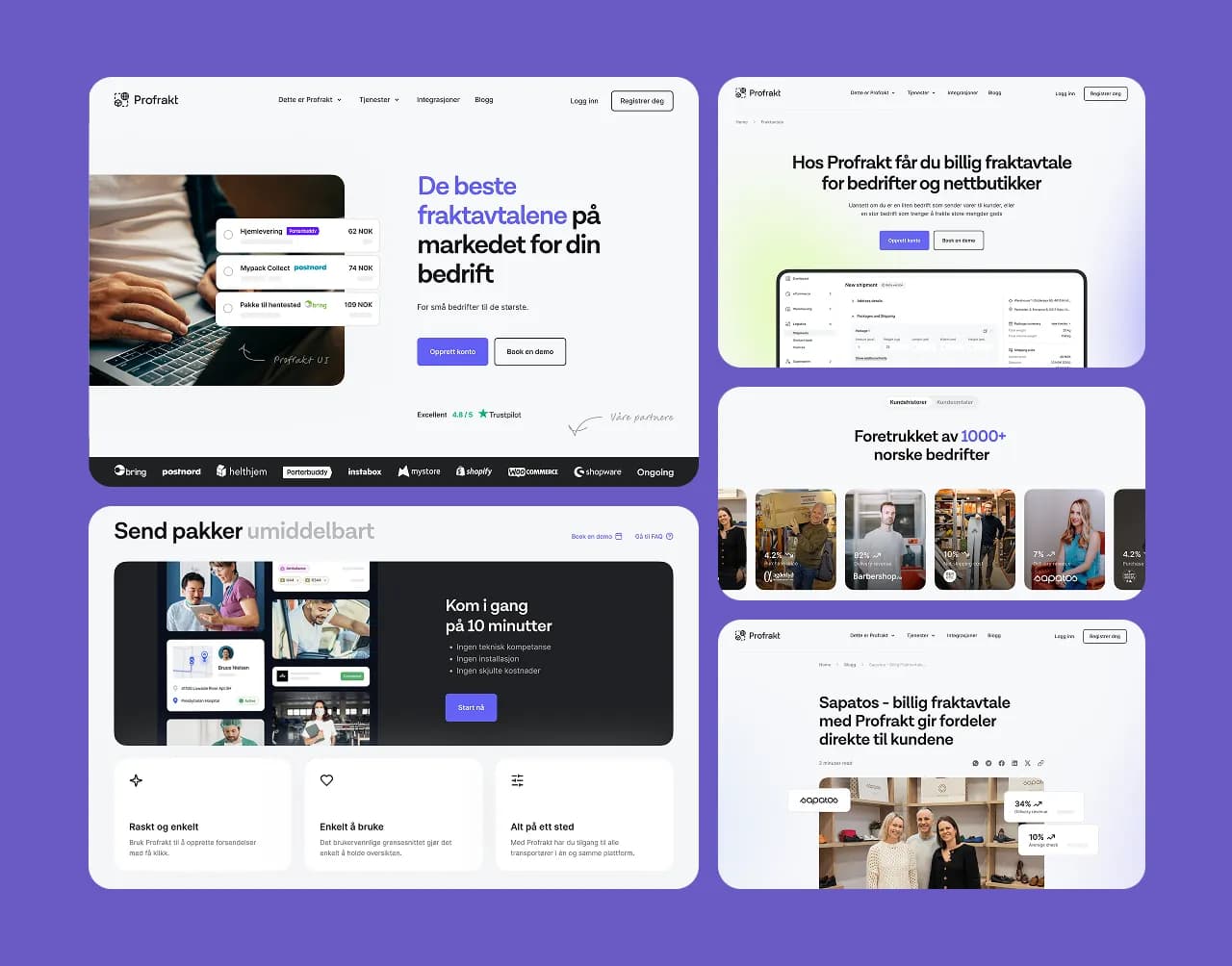
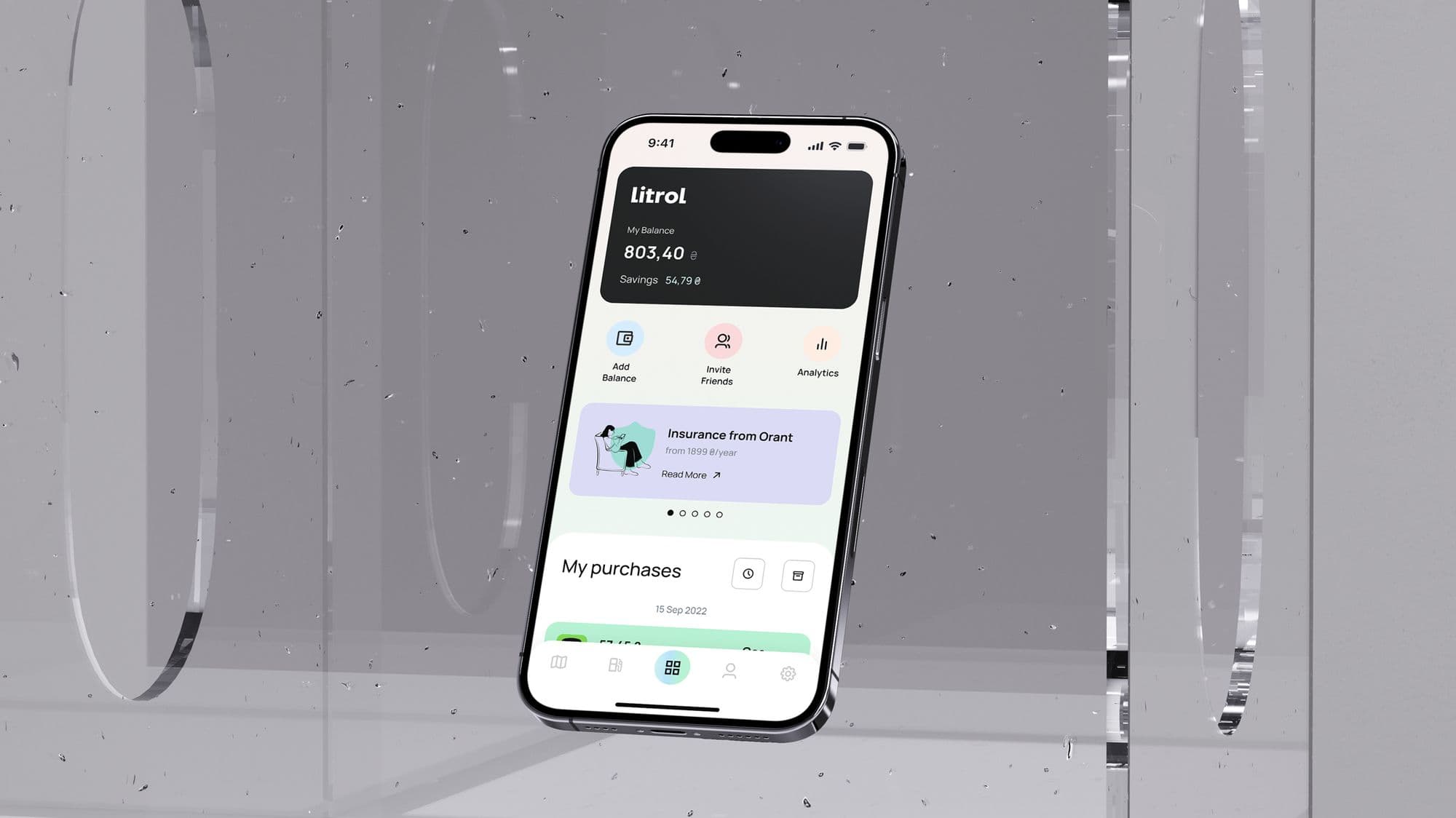
Webflow development with a clean CMS for Profrakt — a Norwegian freight and shipping platform by Oriented Soft AS. Built fast and fully editable from the supplied designs, with GSAP motion and HubSpot and WooCommerce integrations.
Read the case →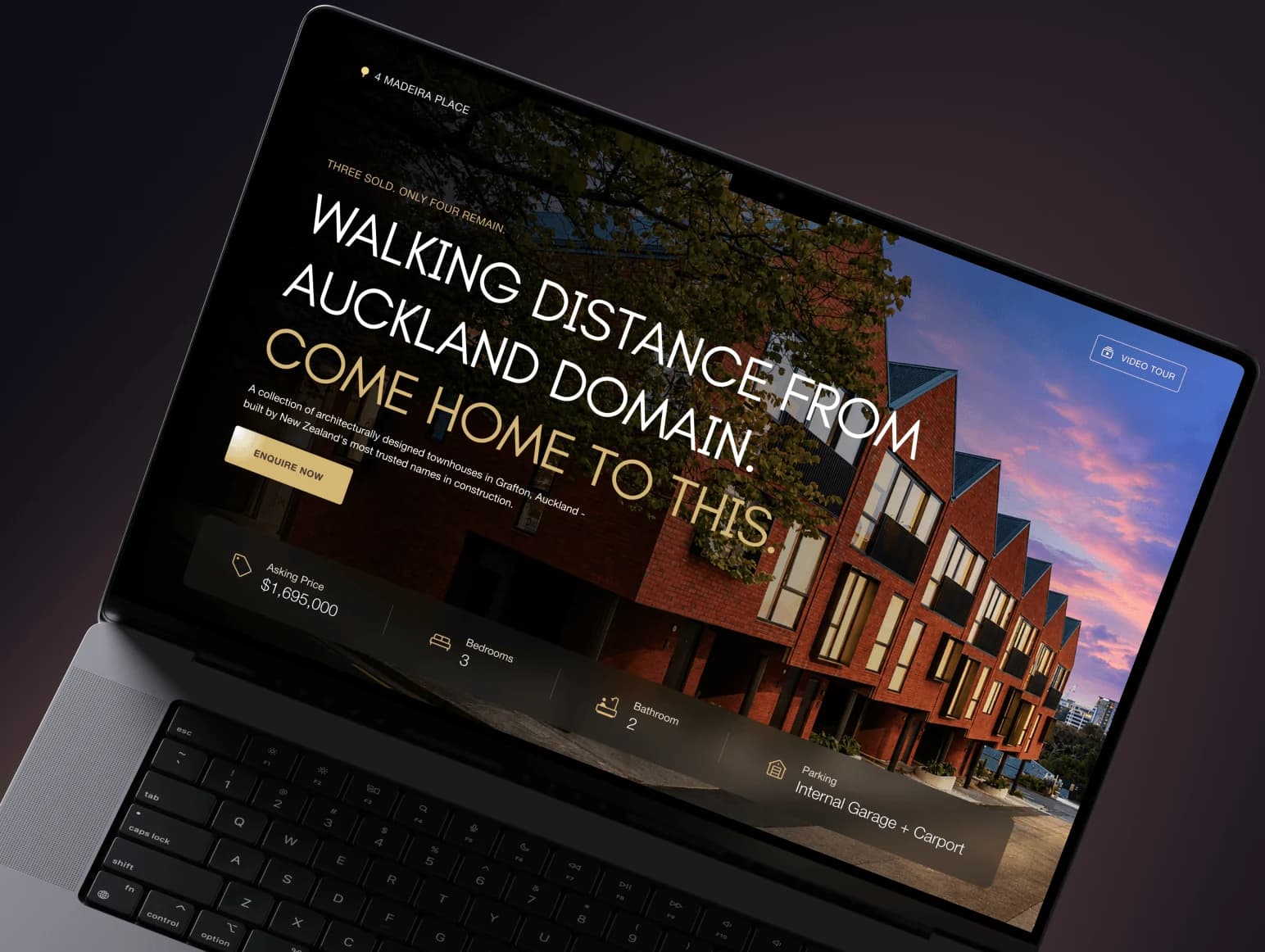
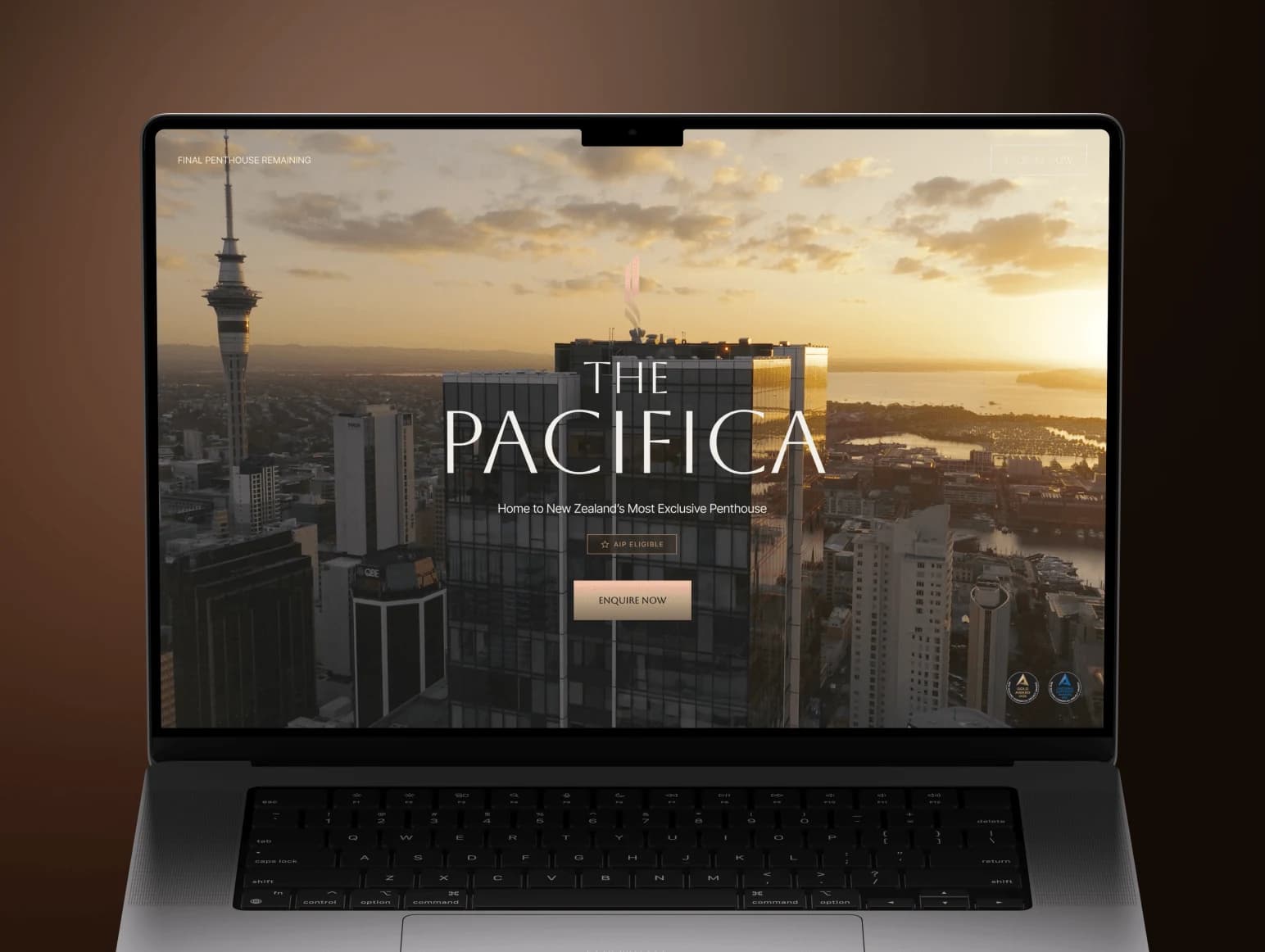
Clean, conversion-focused property website built in Webflow with smooth animations and a clear content structure. Delivered in 2 weeks as part of a design subscription.
Read the case →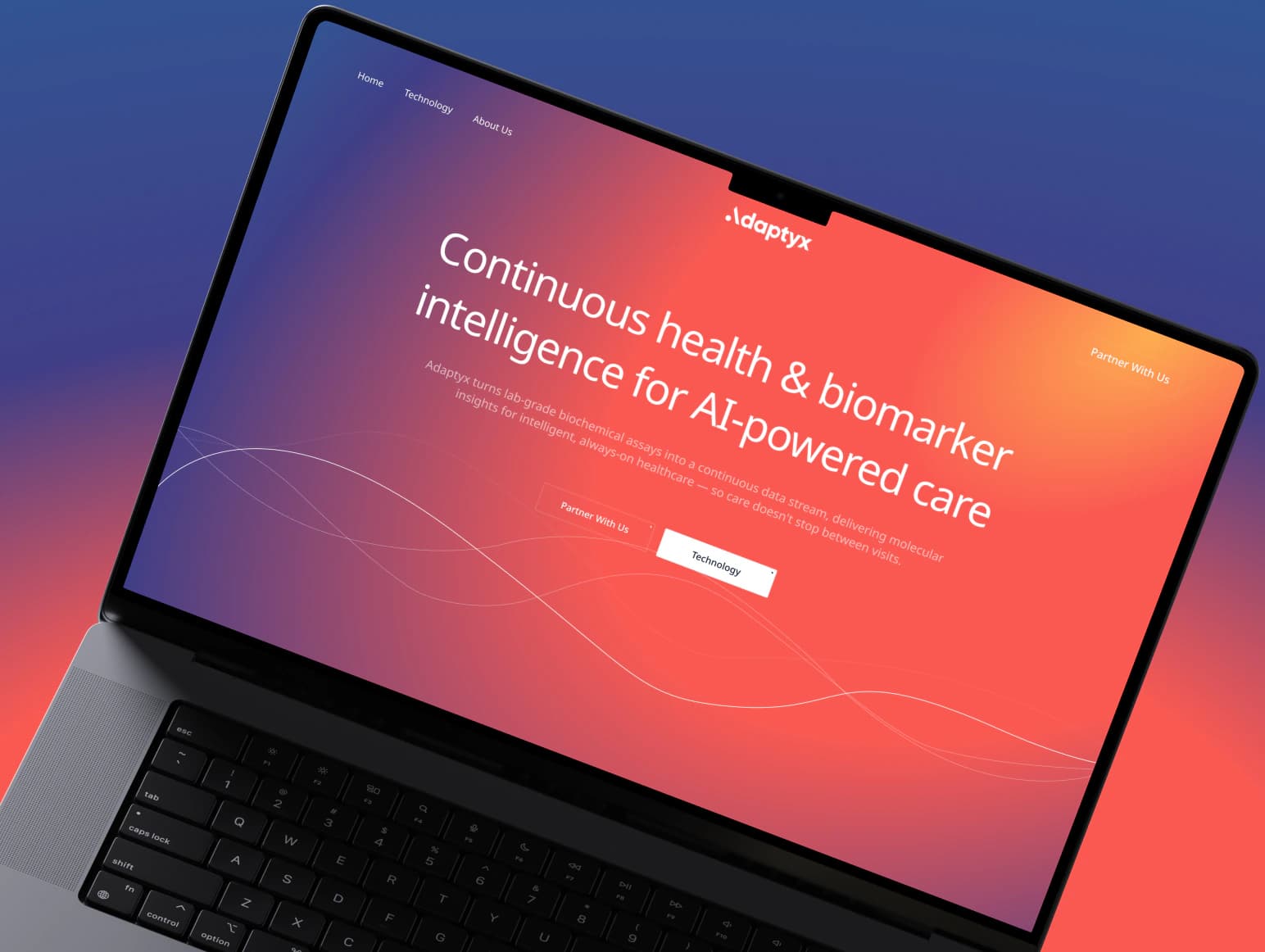
Webflow development for Adaptyx Biosciences, a wearable-patch biotech, as the development contractor for the design studio Fulcrum. Pixel-faithful to Fulcrum's design, with complex GSAP scroll animation, a scroll-driven 3D patch, Webflow Interactions and CMS, delivered within a fixed 65-hour budget.
Read the case →Web development FAQ
With 99 Francs, landing pages start from US$1,500, marketing websites from US$3,000 (scaling with page count), and custom web apps from US$5,000. Prices are fixed and agreed before work starts — there is no upfront payment. A landing page or website is paid in one payment at the end, once it is delivered and working; custom web apps run in fixed-price phases, paid at the end of each phase. See how we work for the full model.
99 Francs builds startup websites, SaaS marketing sites, landing pages, CMS websites, custom frontends and Python-backed tools using Framer, Webflow, Astro, React, Next.js and Python when the scope is focused and launch-ready.
Use Framer for fast, polished marketing pages; Webflow for editable CMS-led websites; Astro for fast, content-led sites you own; React/Next.js for product-like frontends; and Python when the work needs APIs, data pipelines, automation or backend logic; and Rust for low-latency execution cores and Python-to-Rust migrations.
Yes. Many projects start with web design and continue into development so the final site preserves the strategy, layout, visual detail and conversion path.
Not as the default offer. This service is strongest for marketing websites, product frontends, launch pages, CMS systems and focused MVP surfaces rather than large backend platforms.
No. There is no deposit. A landing page or a website is paid in one payment at the end, once it is delivered and working; larger builds run in fixed-price phases, paid at the end of each phase. See the full breakdown of how we work, or concrete ranges on the New Zealand and Norway pricing pages.
Framer · Webflow · Astro · React · Next.js · Python · CMS · SEO QA. We reply within one working day with a fixed price, or with the two or three questions we need answered first.

“I read every brief myself and reply within one working day.”Alexander, founder
Prefer to talk it through? Book a free intro call
Your quote in three steps
Leave your email
Or tell us about the site and what it has to do.
Get a fixed price
Within one working day, in US$.
Decide, no deposit
Nothing is paid until it is done and working.