











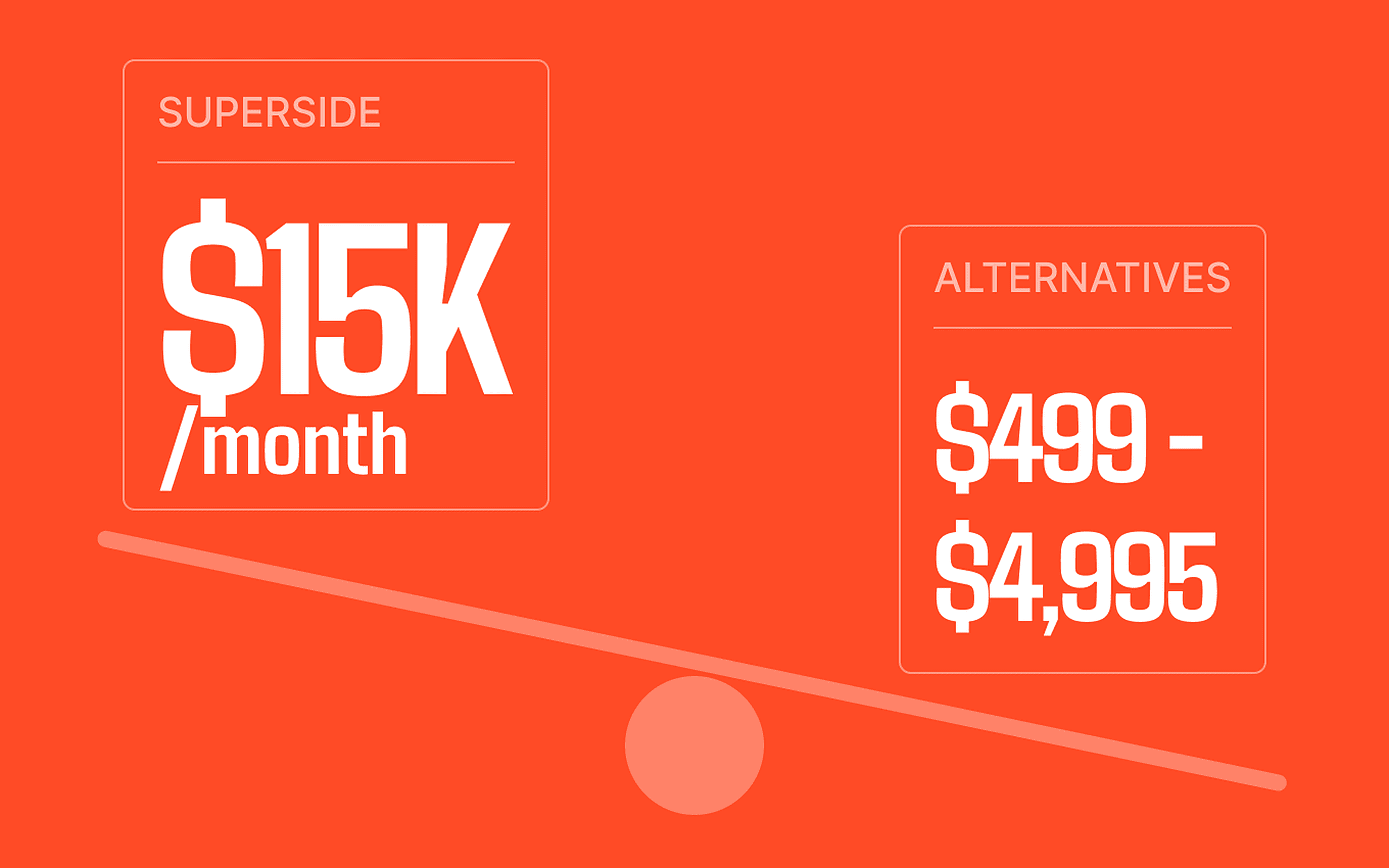


Custom frontend architecture
We structure React or Next.js builds around reusable components, routing, data needs, responsive rules and a clean path for future iteration.

HQ Paphos, Cyprus · worldwide
99 Francs® builds React and Next.js websites, MVP frontends, SaaS marketing systems and interactive product surfaces when the site needs more control than Framer or Webflow can reasonably provide.
Fixed USD price, paid per phase: custom React/Next.js frontends from $5,000. No upfront payment.
150+
shipped projects
$32M+
raised by clients
9,000+
tasks delivered
The service covers frontend architecture, Next.js pages, reusable components, CMS integration, interactive states, forms, metadata, structured data, responsive QA and launch support for focused web products.
The build should not flatten the design or create a maintenance problem. We keep implementation decisions tied to performance, content ownership, responsive behavior and the launch goal.
We structure React or Next.js builds around reusable components, routing, data needs, responsive rules and a clean path for future iteration.
We build dashboards, interactive landing pages, calculators, forms, demos, onboarding previews and MVP frontends that need more than static pages.
When content or data matters, we plan the right source: Payload, headless CMS, API routes, analytics, forms or external services.
The implementation accounts for metadata, crawlable content, page speed, image handling, schema, accessibility and stable responsive rendering.
Custom logic, integrations, CMS connections and product-like states — scoped and priced phase by phase.
Every project runs in fixed-price phases with no deposit — you pay only once a phase is delivered and working.
React/Next.js is the better path when the website needs custom behavior, deeper integrations or product states that Framer and Webflow should not own.
Use React/Next.js for SaaS websites, AI demos, dashboards, calculators, gated flows, interactive tools and MVP surfaces that need engineering control.
Next.js gives more control over rendering, metadata, routing, structured data, image handling and the technical details that influence crawlability.
We build around clear components, content models and implementation boundaries so the next developer can extend the site without rewriting it.
The process keeps design, content, CMS, integrations, QA and launch readiness in one line so the final site is easier to ship and maintain.
We review the design, product states, content sources, integrations, analytics, CMS needs, hosting assumptions and launch risks.
We define routes, sections, components, data shapes, CMS boundaries, API assumptions, responsive behavior and SEO requirements.
We implement the pages, components, interactions, forms, structured data, metadata, CMS connections and frontend states needed for launch.
We run checks for responsive layout, accessibility basics, links, forms, metadata, performance, build stability and maintenance notes.
React and Next.js builds are strongest when the website behaves more like a product surface than a brochure: clear states, interactions, data and technical SEO.
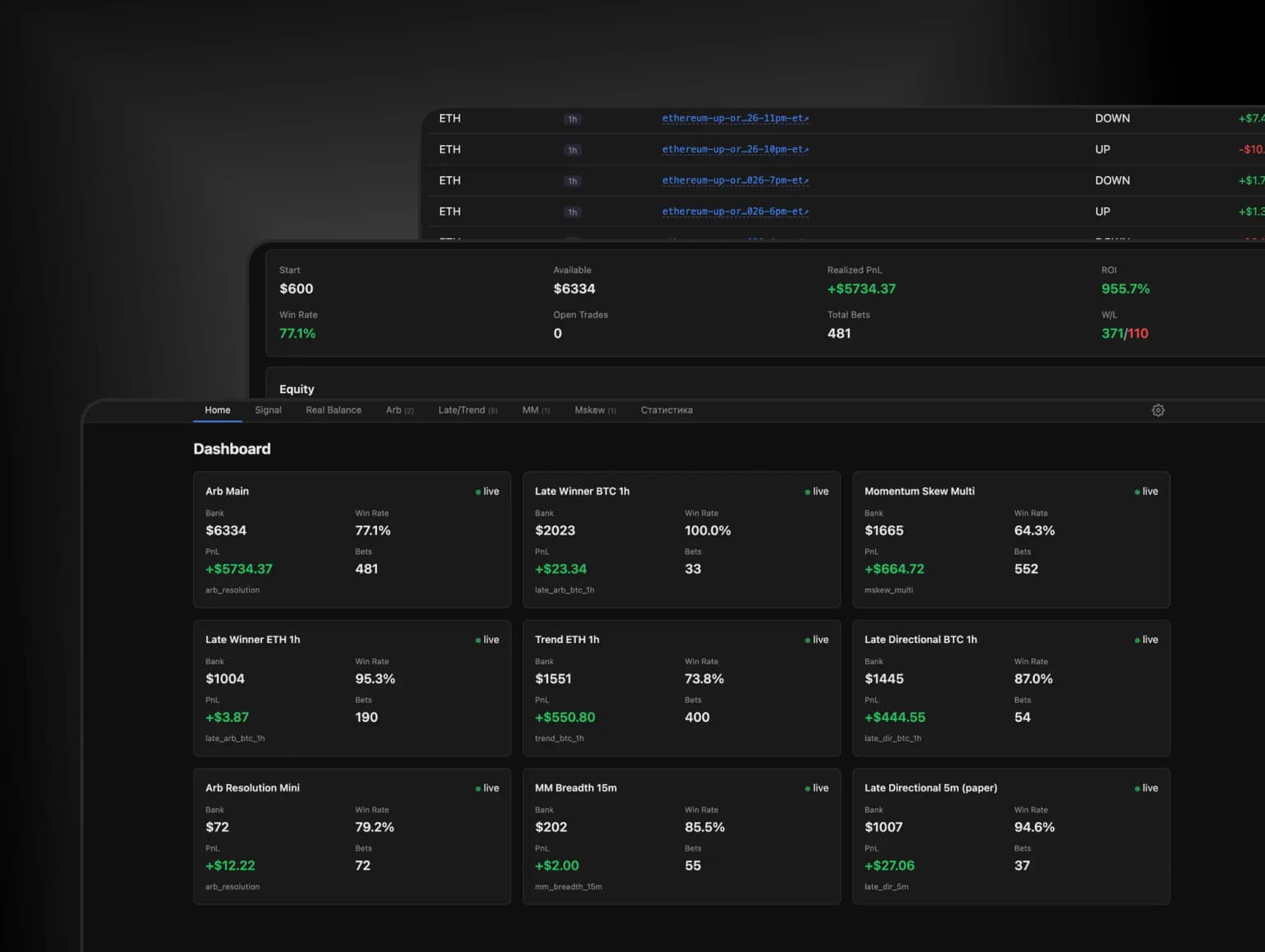
Algo trading
Custom automated trading and market-making system on Polymarket. A Python quant engine with a low-latency Rust execution core, a React dashboard, backtesting, and a safe virtual-to-real rollout.

Search tool
B2B analytics platform for evaluating financial health and company credibility. Advanced filtering, credit scoring, and financial performance graphs for professional users.
We use AI coding assistants on client sites and on our own apps. Writing a change got cheap; reading it did not. These are the checks we put between an assistant's draft and production, taken from the repository that runs this site, and the one rule that decides whether a check is worth having.
Every page of 99francs.agency is served as clean Markdown to any client that asks — same URL, one Accept header, about a tenth of the bytes. Here is the Next.js setup behind it: the proxy rewrite, the converter route, llms.txt — and the six-week bug that quietly served our homepage to every AI agent while every browser test passed.
If the website has custom logic, build it as a frontend system instead of forcing it into a visual builder.
With 99 Francs, a custom React/Next.js frontend starts from $5,000. What moves the price is the number of routes and components, the depth of CMS or API integrations, and any custom product logic. Work is scoped into fixed-price phases with no upfront payment — you pay only once a phase is delivered and working. See how we work for the full model.
React/Next.js is clearer for SEO because it names the technology buyers search for. Custom development still belongs in the copy, but the page intent should stay specific. For a broader comparison, see web development services.