









Python product scope
We define what the Python layer should own: APIs, data processing, automation, scraping, reporting, internal workflows or a focused MVP backend.

HQ Paphos, Cyprus · worldwide
99 Francs® builds focused Python services for startups and product teams that need data workflows, FastAPI backends, automations, market-data tools, integrations or backend logic behind a polished web interface.
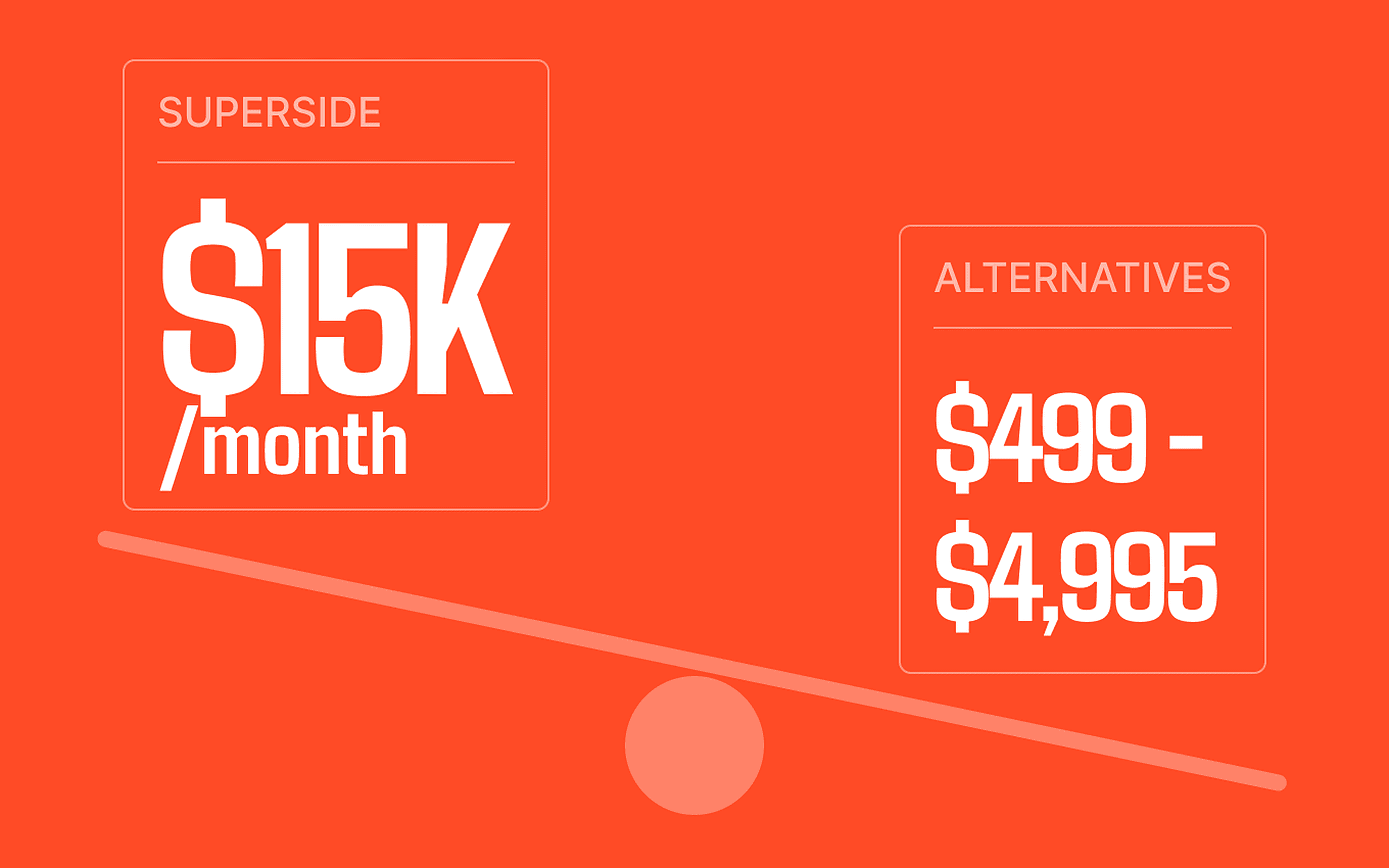
Fixed USD price, paid per phase: Python development from $4,000. No upfront payment.
150+
shipped projects
$32M+
raised by clients
9,000+
tasks delivered
The service covers Python scoping, FastAPI services, API integrations, data automation, lightweight pipelines, dashboard support, market-data workflows, QA and handoff for startup MVPs and product surfaces.
The build should not flatten the design or create a maintenance problem. We keep implementation decisions tied to performance, content ownership, responsive behavior and the launch goal.
We define what the Python layer should own: APIs, data processing, automation, scraping, reporting, internal workflows or a focused MVP backend.
We can build lean Python services for product frontends, dashboards, market-data tools, form workflows and integrations with external APIs.
We structure scripts, jobs, data cleanup, enrichment, scheduled tasks and lightweight pipelines so repeated work becomes reliable software.
The build includes environment notes, endpoint assumptions, data models, QA checks, deployment guidance and clear boundaries for future engineering.
Scope, integrations, data volume and job frequency move the price — priced and fixed per phase before it starts.
Every project runs in fixed-price phases with no deposit — you pay only once a phase is delivered and working.
Use Python when the project needs APIs, data processing, automations, calculations, integrations or workflows that should not live inside a static website builder.
Python is a practical fit for market data, analytics, dashboards, enrichment, reporting, alerts and tools where the value comes from structured data handling.
We keep the Python scope tight: the smallest useful service, job, endpoint or workflow that proves the product without becoming a large backend platform.
Python works well behind a React/Next.js frontend when the interface needs controlled data flows, custom endpoints or automation behind the visible product.
The process keeps design, content, CMS, integrations, QA and launch readiness in one line so the final site is easier to ship and maintain.
We review the product goal, users, data sources, APIs, update frequency, edge cases, compliance limits and what the first useful Python service must prove.
We define endpoints, jobs, data models, scheduled tasks, integrations, error states, logging needs and the frontend contract before implementation starts.
We implement the focused service, automation, pipeline or API logic with practical structure, typed assumptions and clear integration points.
We verify inputs, outputs, failures, deployment assumptions, data quality, documentation and the next engineering steps after launch.
Our Polymarket trading system is a full Python case — a numpy/scipy quant engine, web3 signing and a low-latency execution core — alongside product and data-interface work that Python development usually supports.
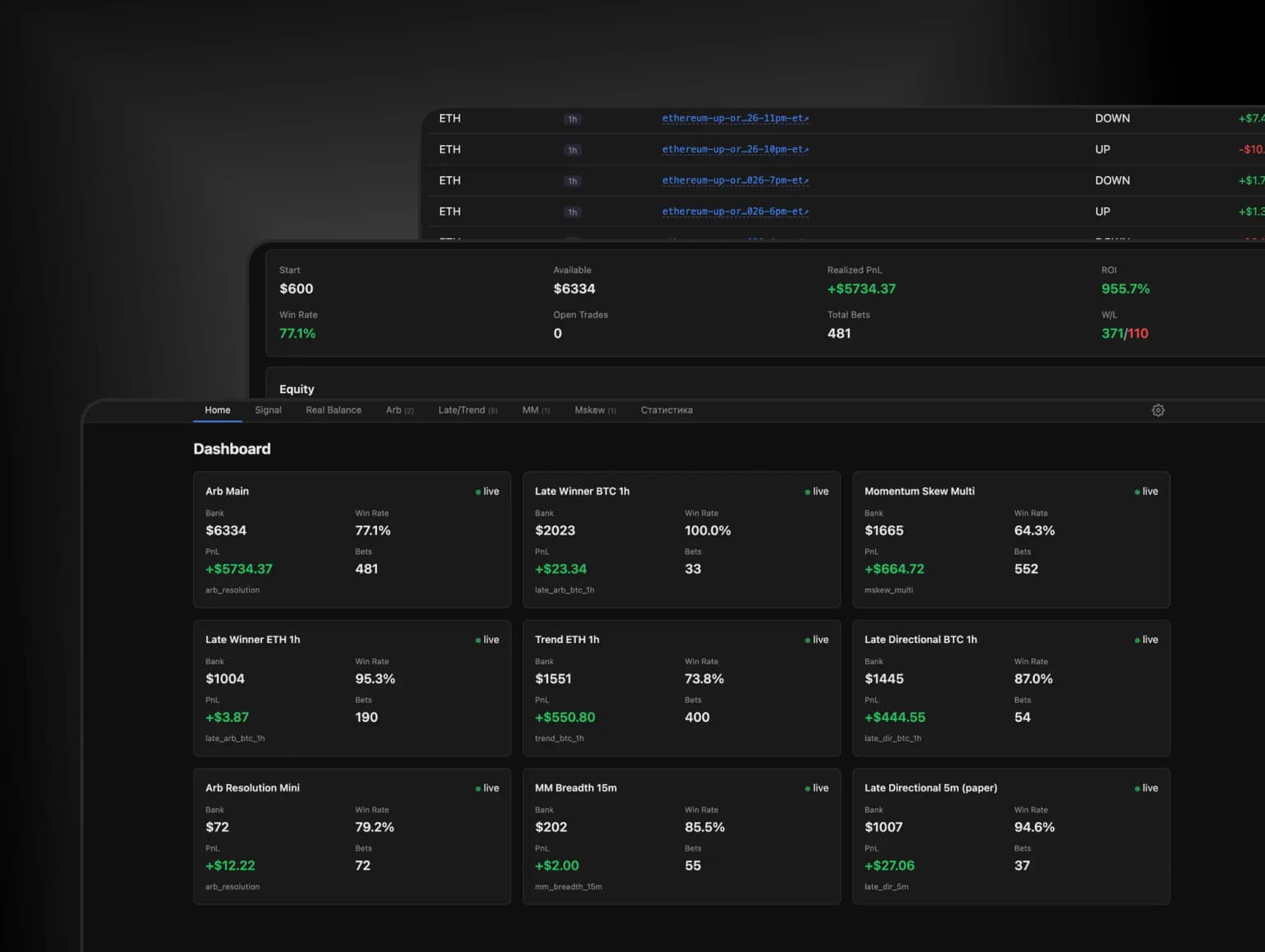
Algo trading
Custom automated trading and market-making system on Polymarket. A Python quant engine with a low-latency Rust execution core, a React dashboard, backtesting, and a safe virtual-to-real rollout.
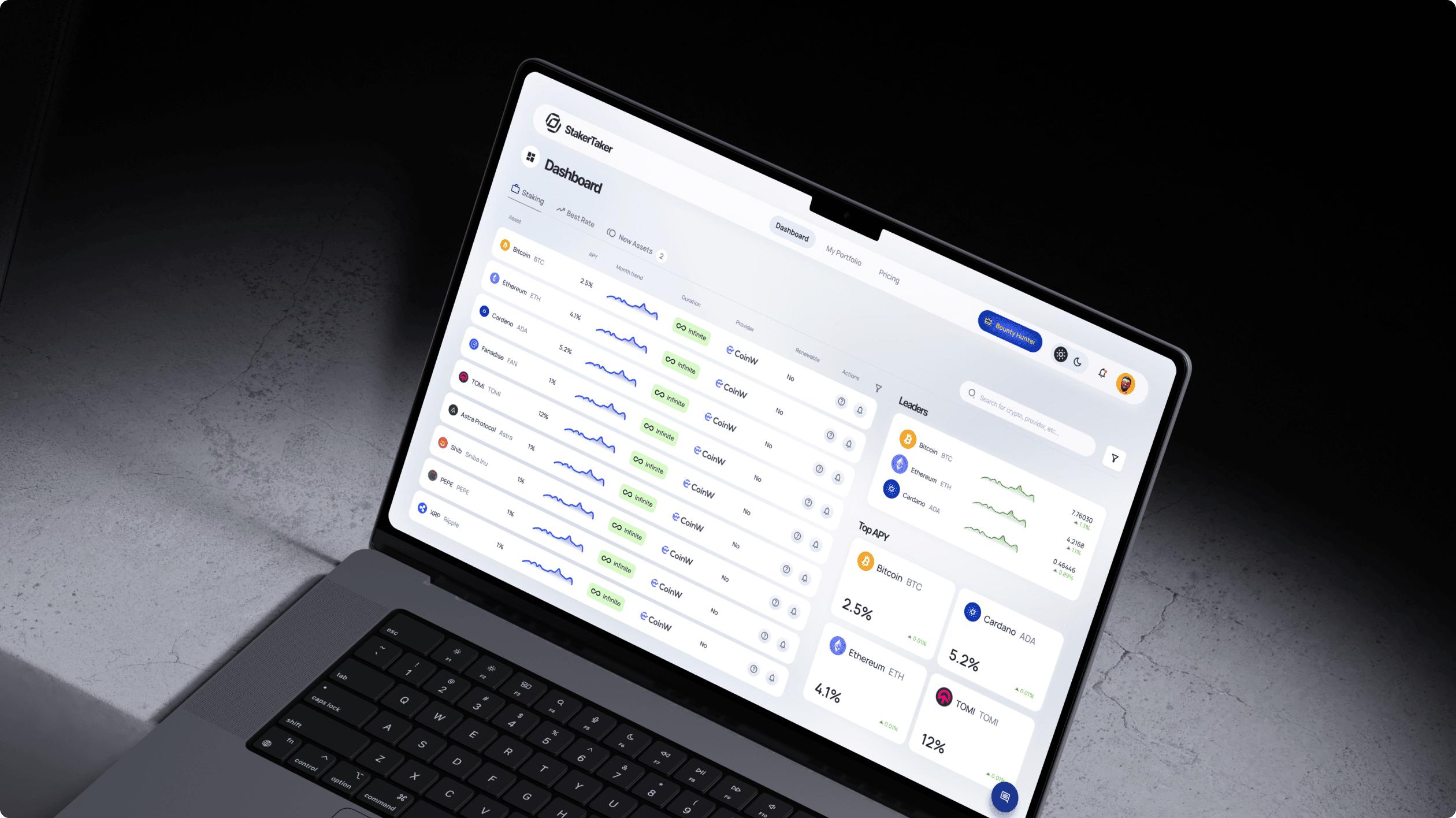
Web app design
Crypto investment platform with redesigned key screens to make complex analytics more accessible. Investment dashboard with APY charts, personalized alerts, and automated tracking.
If the product depends on data, APIs or automation, give the interface a backend layer that matches the job.
With 99 Francs, Python development — APIs, automation and data work — starts from $4,000. What moves the price is the number of endpoints or jobs, data volume, external integrations and how much frontend or dashboard work sits alongside it. Each phase has a fixed price agreed upfront, with no deposit and payment only once the phase is delivered and working. See how we work for the full model.
Yes. Python is often a good backend or automation layer behind a React or Next.js frontend when the visible interface needs custom data, APIs or workflows.