










Does the enquiry form actually deliver?
Not whether it shows a success message — whether a message reaches a human inbox. We have found forms that returned a validation error to every visitor while the owner assumed business was simply quiet.

HQ Paphos, Cyprus · worldwide
99 Francs® takes on live websites with no handover and no documentation. We audit what is actually happening, fix it with a written way back, and move the content your team changes weekly into fields they control.
Every finding comes with evidence you can check yourself — a timing, a DNS record, a delivery test — not an adjective.
Updates, backups and uptime checks are the easy part, and most care plans stop there. The failures that actually cost money are silent: a form that rejects every submission, emails held in the recipient's quarantine, a page nobody can edit without a developer. Support means finding those and proving they are fixed.
Each one is answered with a measurement, not an opinion — so you can check the finding yourself and see the same number after the fix.
Not whether it shows a success message — whether a message reaches a human inbox. We have found forms that returned a validation error to every visitor while the owner assumed business was simply quiet.
We check the sending path and the receiving side: SPF, DKIM, DMARC and MX records as they actually resolve, the Return-Path, and whether the recipient's mail service is holding messages.
A slow submit is split into its stages and each one is timed, so the fix targets the real bottleneck instead of the first plausible guess.
Oversized hero images, uncompressed uploads and render-blocking scripts are measured before and after, with the originals kept.
Inline styles in page builders, duplicate element IDs, two plugins doing the same job, an old developer's account still active. These are logged even when they are not today's problem.
If updating a date or a phone number requires a developer, that is a support cost you pay forever. We move it into the admin instead.
Support is scoped as work with an end and a written record, so you always know what changed and what it cost.
We go through the live site and report what is actually broken, with evidence: request timings, delivery test results, DNS record state, page weight. Every finding is something you can verify yourself.
Every change to code, settings or content is written down as before-and-after with revert steps, so nothing is a mystery in six months and nothing is irreversible.
Anything that changes weekly — dates, contacts, prices, hero media — becomes an admin field instead of a line of code, so keeping the site current never waits on a developer.
Schema, direct answers, metadata, internal links and a Markdown alternate are part of support, not a separate project, so search engines and AI assistants can read the site correctly.
Nothing looks broken, enquiries are just thin. This is the most common way a website fails: silently, with no error anyone sees.
You inherited a site with no documentation, no handover and possibly no access. We start by mapping what is there and recording it before changing anything.
If a new date, a new price or a new photo is a support ticket, the content model is wrong. That is a fixable problem, not a fact of life.
Sometimes the honest answer is that the site is fine and three things need fixing. Sometimes it is that a rebuild costs less than another year of patching. We say which.
Inheriting a live site means the first risk is your own changes. So the order is always: record, measure, fix, verify, hand back control.
Before a single change, we capture what exists: settings, theme files, plugin list, form configuration, DNS. This is what makes every later change reversible.
Submit the form as a visitor. Follow the message to the inbox. Time each stage. Most support work starts here because most silent failures live here.
A green success notice proves nothing. Every change is confirmed by reloading the page and re-reading the stored value, and theme files by requesting the file itself.
Whatever changes often moves into admin fields, and you get a written log of what was changed, why, and how to undo it.
The most common case: an inherited WordPress site with a page builder, a contact form plugin, an SMTP plugin and nobody who remembers how they interact.
WordPress supportIf the platform itself is the cost, we say so and price the move instead — WordPress to Webflow, or Webflow to Next.js and Payload.
Explore migrationWhen the site needs replacing rather than repairing, the same team designs and builds it in Webflow, Framer or React/Next.js.
Explore web developmentFor teams that need continuous work rather than one round of fixes, the design subscription covers design, front-end and iteration at a flat monthly rate.
Explore subscriptionSupport work is hard to show in a portfolio, because the result is usually an absence of failure. These two projects have numbers attached.
Website support · WordPress
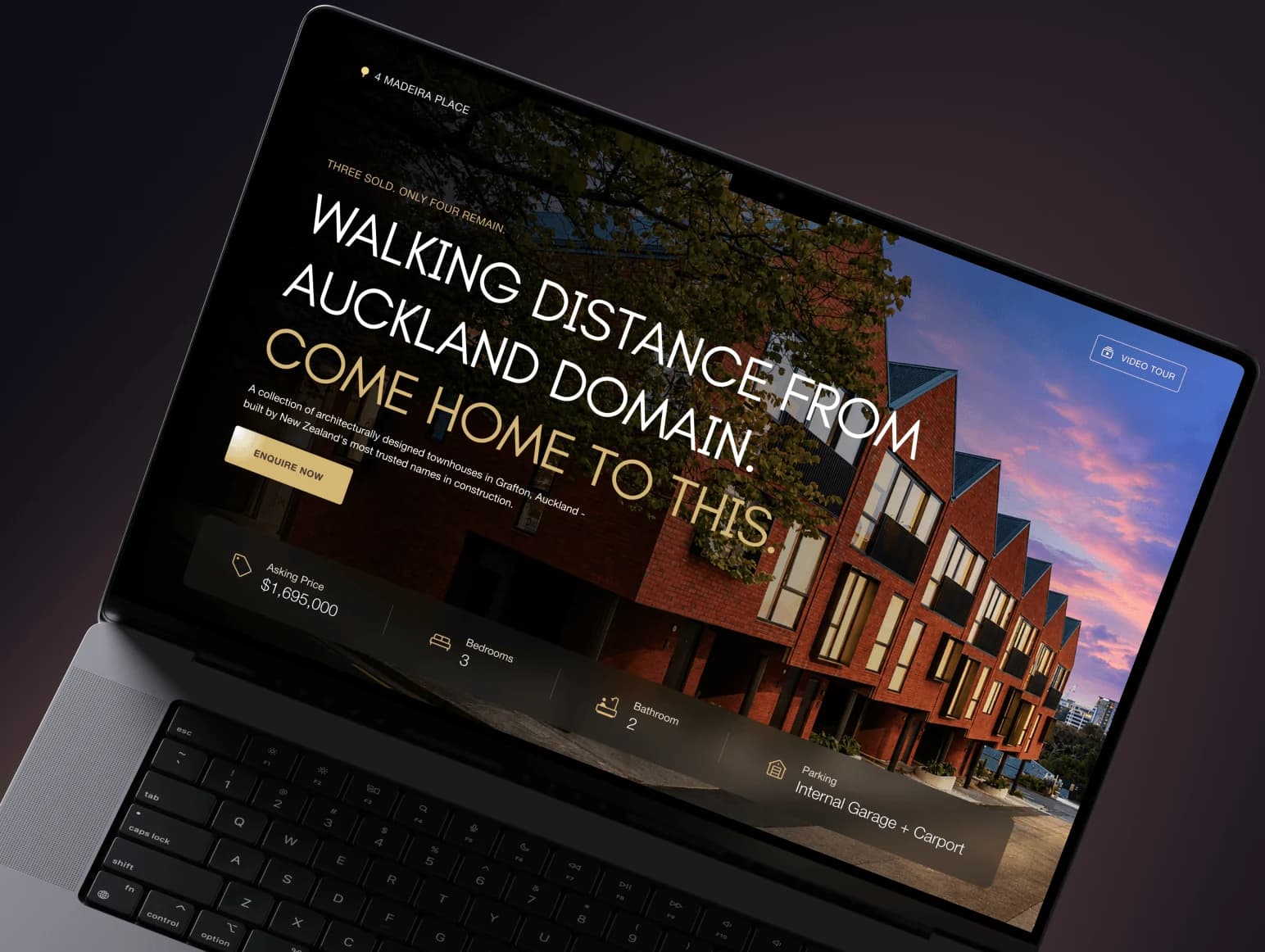
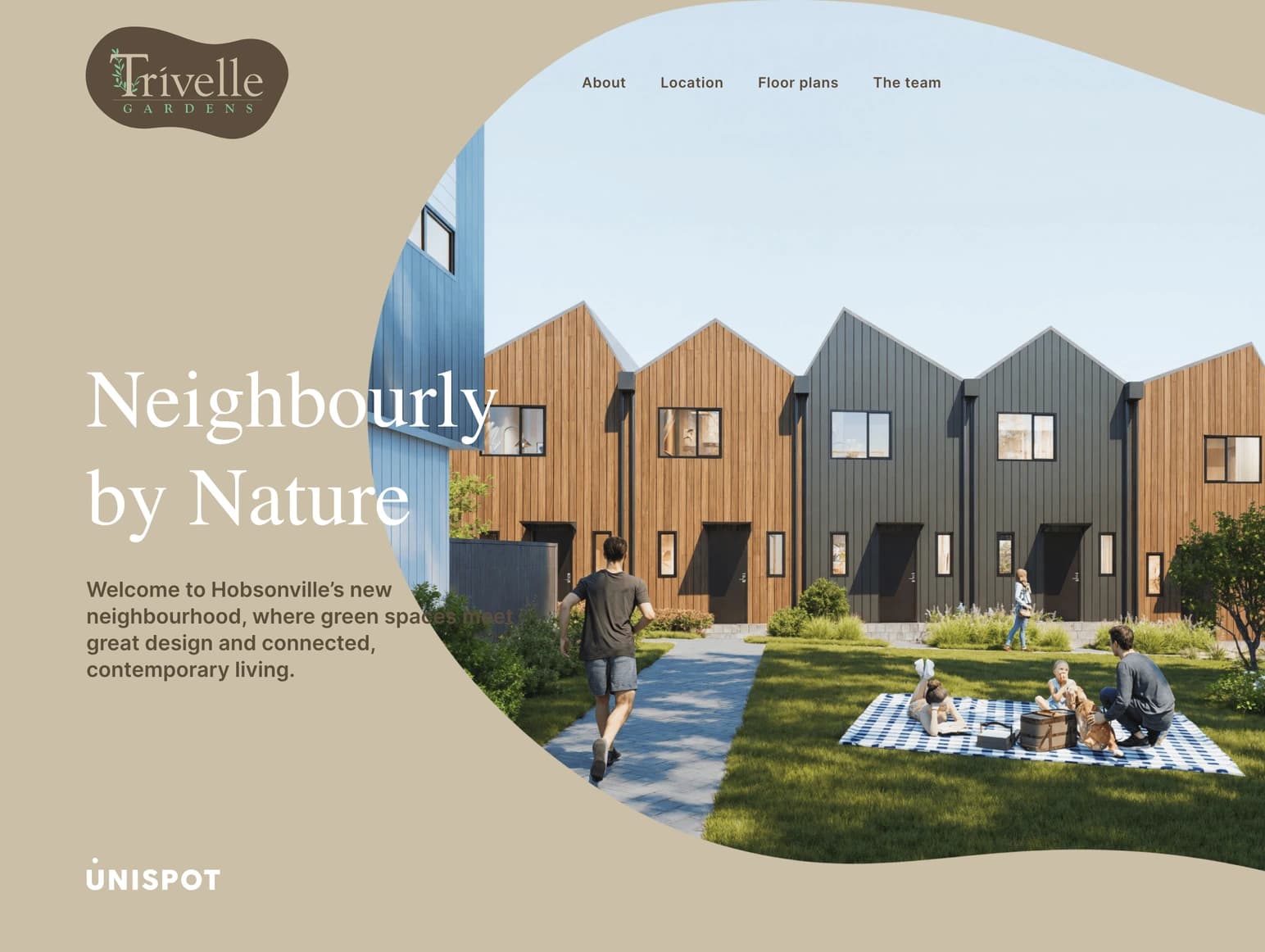
Support round on a live WordPress site for a Hobsonville townhouse development. Found an enquiry form that was silently rejecting every submission, diagnosed why the emails were quarantined, and moved agents, viewing dates and hero media into fields the client edits himself.

Web Design · WordPress
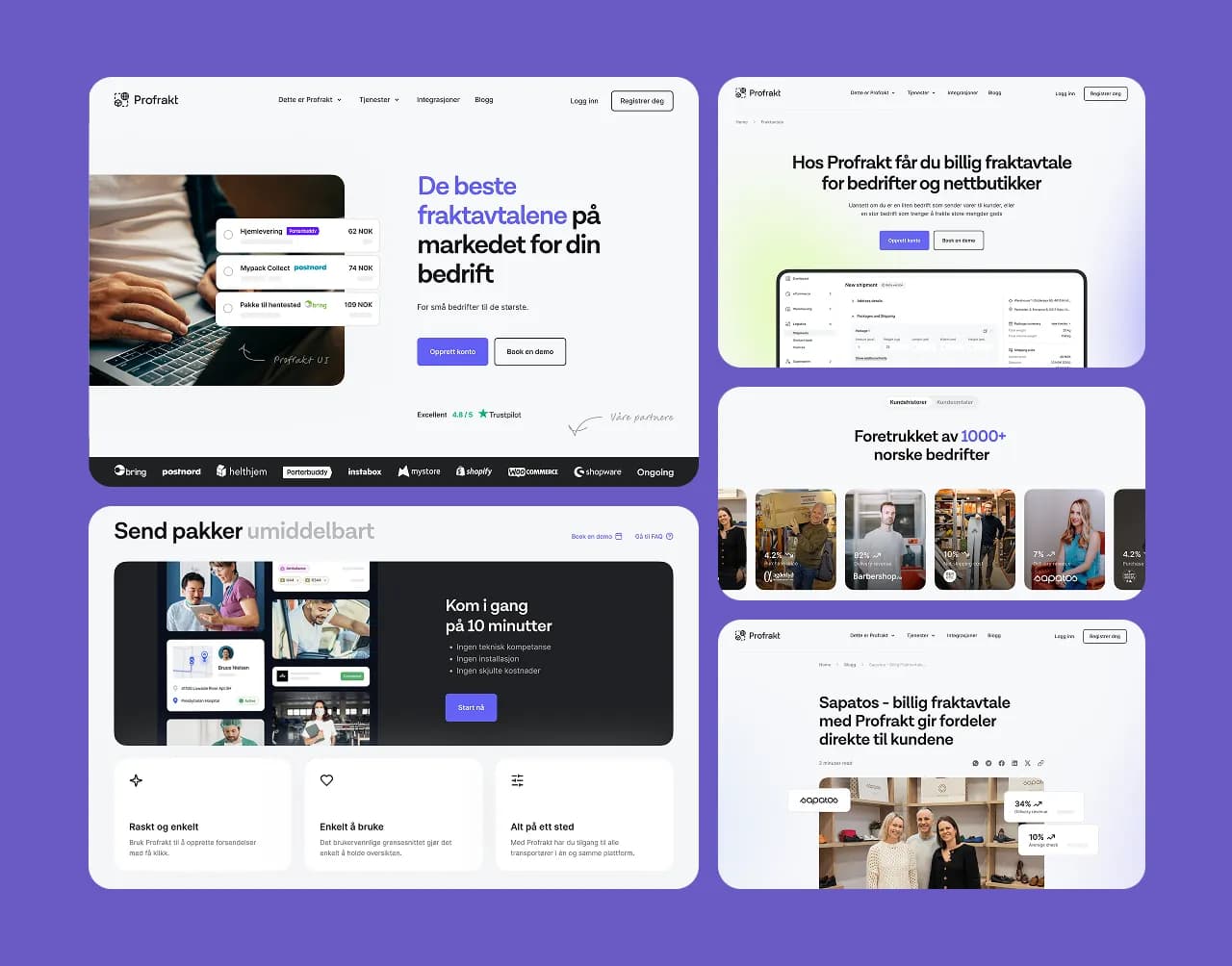
Deadline campaign for a ten-home development: buy a home, win the purchase price back. A full custom landing page shipped inside the client's existing WordPress and Divi site as one module, sealed off from the theme with Shadow DOM. All ten homes are now sold or under contract.
A practical checklist for anyone buying a website, design or copy: the signs of unreviewed AI output in a pitch, a portfolio and the work itself, the questions to ask before you sign, and what good answers sound like.
What WordPress maintenance costs in New Zealand in 2026, what a care plan actually covers, and what it misses — with three Auckland WordPress sites we support as evidence.
We tell you how many hours it takes, start today, and invoice when you are happy.
Nothing about a broken site should start with a deposit. You get the audit findings with an hour estimate against each one, we agree the total before anything begins, and the work runs at our risk until you have seen it working.
Each finding is quoted with the hours it takes. You approve the scope and the number before we start, so nothing runs on an open meter.
A live site quietly losing enquiries is not a scheduling problem. Urgent findings get fixed first, not after a purchase order clears.
No deposit and no upfront payment. The agreed work gets done, you check it, and only then does an invoice appear.
Care-plan providers advertise flat monthly fees from roughly $30 to $500 a month for updates, backups and monitoring. We do not sell a care plan. Support is NZ$45 an hour, flat: the rate never goes higher and no GST is added. The audit gives each finding an estimate in hours, you approve the scope and the total before anything starts, and you pay for the hours actually worked once the work is done — under the same outcome-based terms as the rest of our work, with no upfront payment.