










99 Francs
sales@99francs.agency

HQ Paphos, Cyprus · worldwide

Service · WordPress support

WordPress support for the site you inherited and nobody can explain.

99 Francs® takes on live WordPress sites built by another team: forms that quietly reject every submission, emails that never reach an inbox, page builders that overwrite content, and text that should have been an admin field years ago.

We diagnose against evidence — a delivery test, a DNS lookup, a stage-by-stage timing — and record every change with a way back.

Direct answer

Most WordPress emergencies are not emergencies. They are silent failures nobody has tested for.

A form that returns an error to every visitor, a domain with no SPF record, a page builder overwriting the content someone just edited. None of these announce themselves, and none are found by a plugin-update subscription. They are found by submitting the form as a visitor and following what happens next.

Common symptoms

What people actually call us about.

The numbers below are measured, from real projects — not illustrative figures. Where a case study exists, it is linked so you can check them.

The form says thank you, but nothing arrives

Usually one of two things. Either the form never sends — an anti-spam or timing validation rejects the submission before the mail step — or it sends and the recipient quarantines it. On one site we found the first case: every single submission was being rejected, visitors saw a validation error and the agents saw nothing at all.

Emails go to spam or quarantine

Almost always DNS rather than WordPress. We check what actually resolves for the sending domain — SPF, DKIM, DMARC, MX — instead of assuming. On the same site the domain had no SPF record, no DMARC and no MX at all, while the mail provider was already setting a correct Return-Path.

Submitting the form feels slow

We split the request and time each stage. In one measured case WordPress, the form plugin and validation took about 345 ms, while the transactional email API took roughly 880 ms on its own. The site was not the slow part, so the fix was interface feedback, not optimisation.

Content edits keep disappearing

Page builders like WPBakery and Elementor store their own copy of the content and can overwrite edits made elsewhere. The fix is knowing which layer owns which content, and moving the volatile parts out of the builder entirely.

The site is heavy and nobody knows why

Usually an unoptimised hero image. One homepage hero went from 6.6 MB to 1.66 MB with a like-for-like quality check, and the original stayed in the media library.

Every change needs the developer who left

Dates, contacts and prices sitting in a template are a permanent support cost. They belong in admin fields with help text, where a non-technical person can change them safely.

What you get

Fixes in the child theme, content in admin fields, and a written way back.

WordPress support that survives the next theme update and does not depend on us still being around.

Contact form and delivery repair

Contact Form 7, Gravity Forms, Fluent Forms or WPForms — we test as a visitor, follow the message to the inbox, and fix whichever half is broken: the send, or the delivery.

Custom fields instead of hard-coded content

ACF field groups plus shortcodes in a child theme, so agents, dates, prices, banners and hero media are editable, labelled and safe to change.

Plugin and theme conflict resolution

Two SMTP plugins fighting, a page builder overwriting content edits, a caching layer serving a stale template, an anti-spam component rejecting real users.

A written change log and rollback file

Every code, settings and content change recorded before-and-after with revert steps, so the next person — including us in six months — is never guessing.

Best fit

Use this when the WordPress site is live, business-critical, and nobody currently owns it.

You inherited the site with no handover

No documentation, no change log, sometimes no admin access. We start by mapping and recording what exists, then work in reversible steps.

The previous developer is unreachable

We audit what their setup actually does before removing anything, including accounts and access that should have been revoked at handover.

It is a marketing site, not a WordPress product

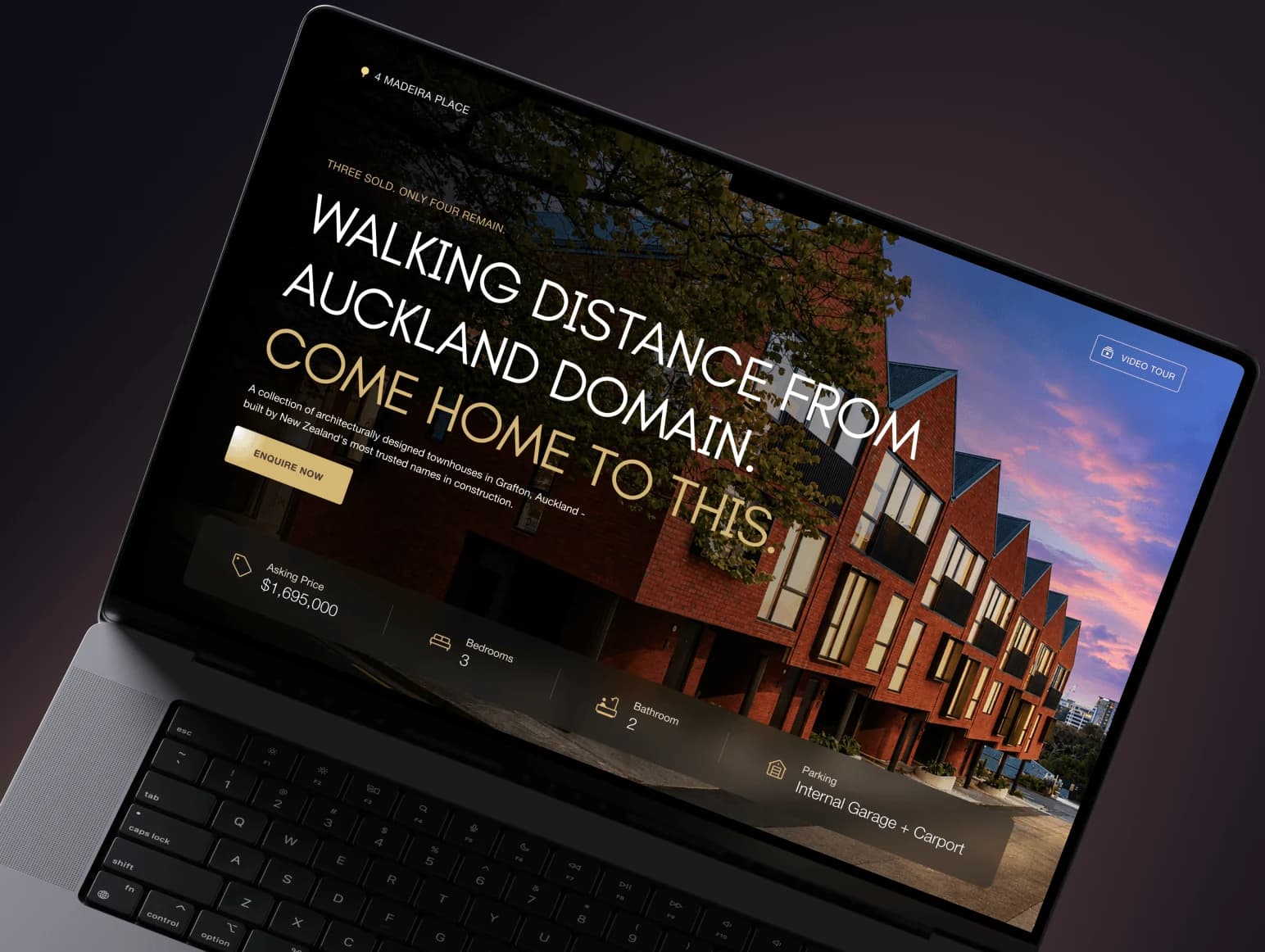
Brochure sites, property developments, clinics, local services. Sites where the enquiry form is the entire commercial function and has to work every time.

You want fixes, not a monthly care plan

Support is scoped as a round of work with an end and a written record. If you also want ongoing cover afterwards, that is a separate, explicit conversation.

Process

The order matters more than the tooling.

On an inherited WordPress site the biggest risk is your own first change. So nothing gets touched before the current state is recorded and the enquiry path is measured.

01

Map and record before touching

Theme and child theme, plugin list, form configuration, mail setup, caching layer, DNS. Captured as before-and-after with revert steps.

02

Follow one enquiry end to end

Submit as a visitor, watch the request, follow the message to the inbox, time each stage. Most silent WordPress failures are found in this one pass.

03

Fix in the child theme, not the parent

Code goes into the child theme and custom field groups, so a theme update never wipes the work and every change survives the next upgrade.

04

Verify by reloading, then hand over

A green admin notice proves nothing. Values are confirmed by reloading and re-reading, theme files by requesting the file itself, and the client gets the log.

Terms

We tell you how many hours it takes, start today, and invoice when you are happy.

A WordPress site quietly losing enquiries should not wait on a purchase order. You get the findings with an hour estimate against each one, you approve the total before we start, and no money changes hands until it works.

Estimated in hours

Every fix — the form, the DNS, the plugin conflict — is quoted with the hours it takes. You approve the scope and the number before we start; nothing runs on an open meter.

Started immediately

If the enquiry form is dead, that gets fixed first. We do not schedule a discovery call for something a delivery test answers in ten minutes.

Paid on completion

No deposit and no upfront payment. The agreed work gets done, you check it, and only then does an invoice appear.

No deposit · Hours agreed before we start · You pay when it is done
WordPress support FAQ

The questions people ask before they know what is actually wrong.

There are two distinct failures and they look identical to a visitor. Either the form never sends — an anti-spam, honeypot or timing validation component rejects the submission before the mail step, so nothing is ever handed to the mail server — or the form sends correctly and the recipient's mail service quarantines the message. The only way to tell them apart is to submit as a real visitor and follow the message, checking the form plugin's own logs and the mail plugin's delivery log separately.
Usually because the sending domain's DNS does not authorise the sender. Check what actually resolves for SPF, DKIM and DMARC, and whether the domain has MX records at all. A transactional provider such as Postmark, SendGrid or Mailgun will set a correct Return-Path, but that does not help if the domain publishes no SPF or DMARC record for the receiving side to check.
Yes, that is the usual case. We take on live sites with no documentation or handover. The first step is recording the current state — theme, child theme, plugins, form and mail configuration, DNS — so every later change is reversible.

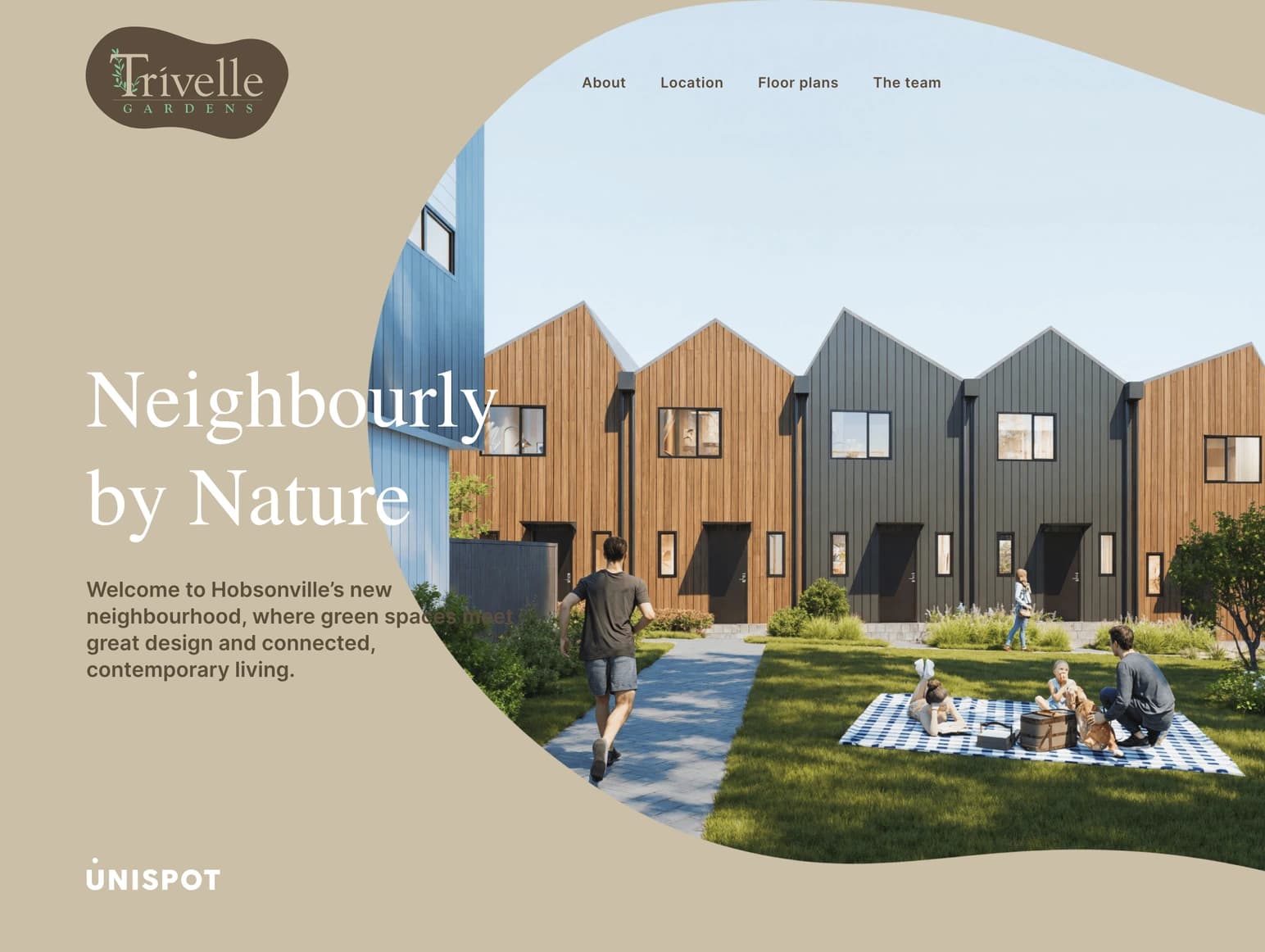
Yes. We build ACF field groups and shortcodes in the child theme so dates, contacts, prices and hero media become labelled admin fields. Blocks can sort and expire their own content — past dates drop off and the block hides itself when nothing is left. There is a worked example in the Trivelle Gardens case study, including the admin screens.

Care-plan providers advertise flat fees from roughly $30 to $500 a month for updates, backups and monitoring. We do not sell a care plan. Each fix is estimated in hours, you approve the scope and the total before anything starts, and you pay once the work is done — under the same outcome-based terms as the rest of our work.

Fix it when the site does its job and a handful of specific things are broken. Move when the plugin stack itself is the recurring cost — when every update risks the layout, when two plugins do the same job, or when the team still cannot edit anything. We price both options rather than defaulting to the one that bills more.