 New Zealand
 Norway
 Malta
 UAE






1
focused landing page
The final page presents the school, its advantages and trial lesson sign-up flow without making visitors search for the next action.


99 Francs created a stylish, user-friendly and conversion-focused landing page for ELCora, an online English school serving the Ukrainian local market with personalized Zoom lessons. A year later we moved the same design off Webflow onto Next.js and Payload CMS, cutting what the school pays to keep it online.
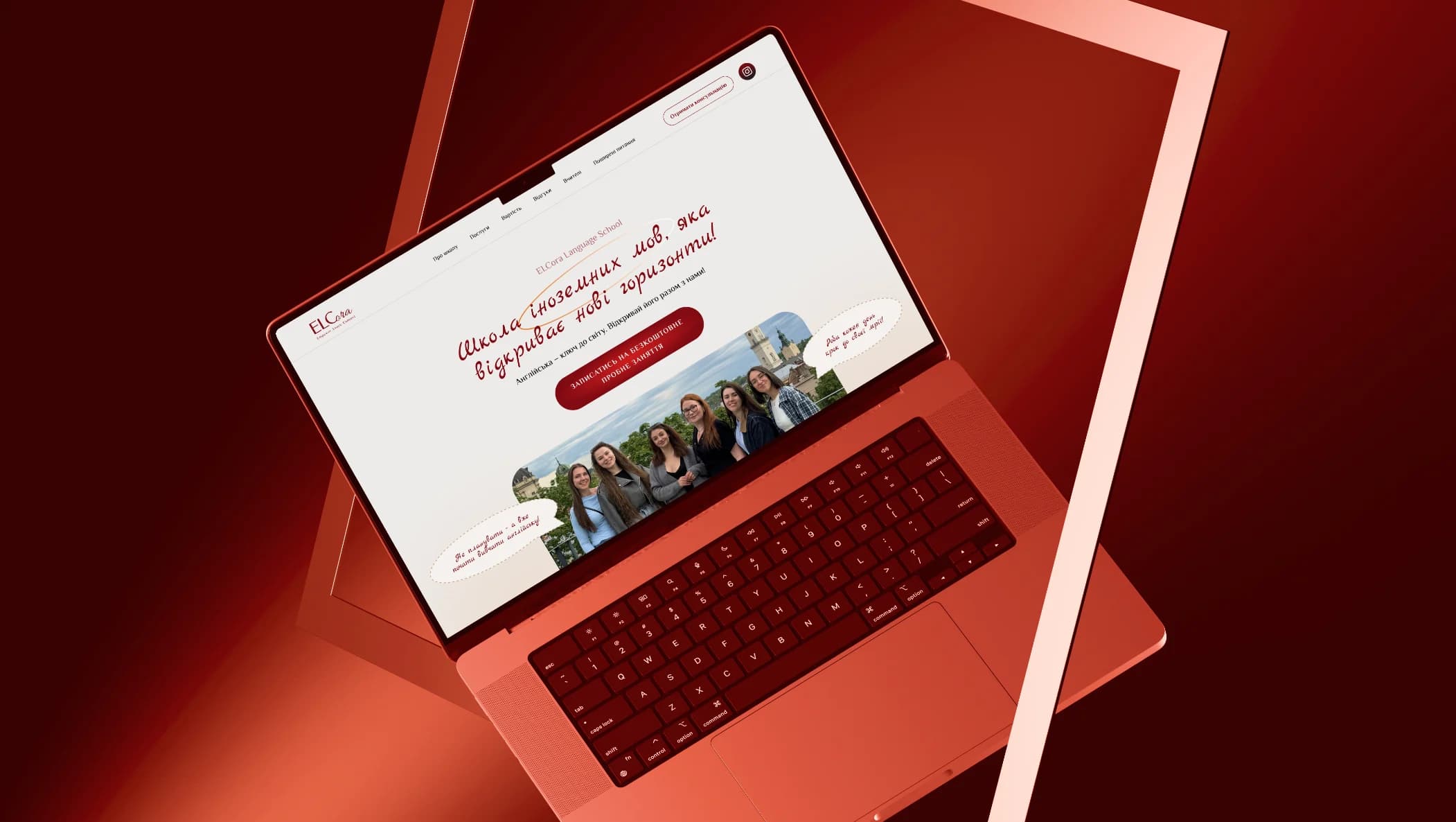
The project combined custom web design, a conversion-oriented page structure, sign-up forms, animations, responsive Webflow development, SEO optimization and an editable setup for the school team.
The design keeps the school's value, course details and sign-up actions easy to find, with motion used to support engagement rather than distract from it.
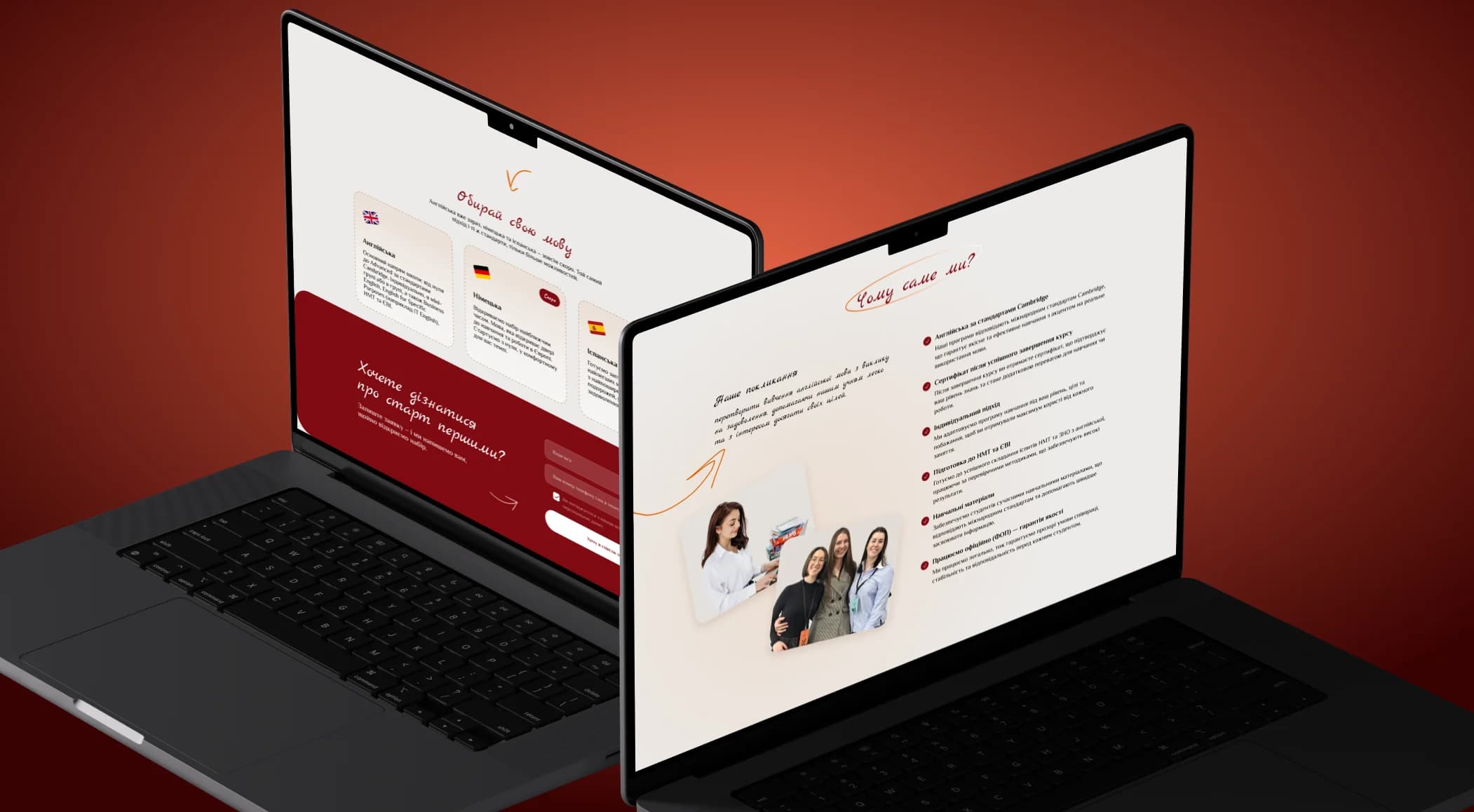
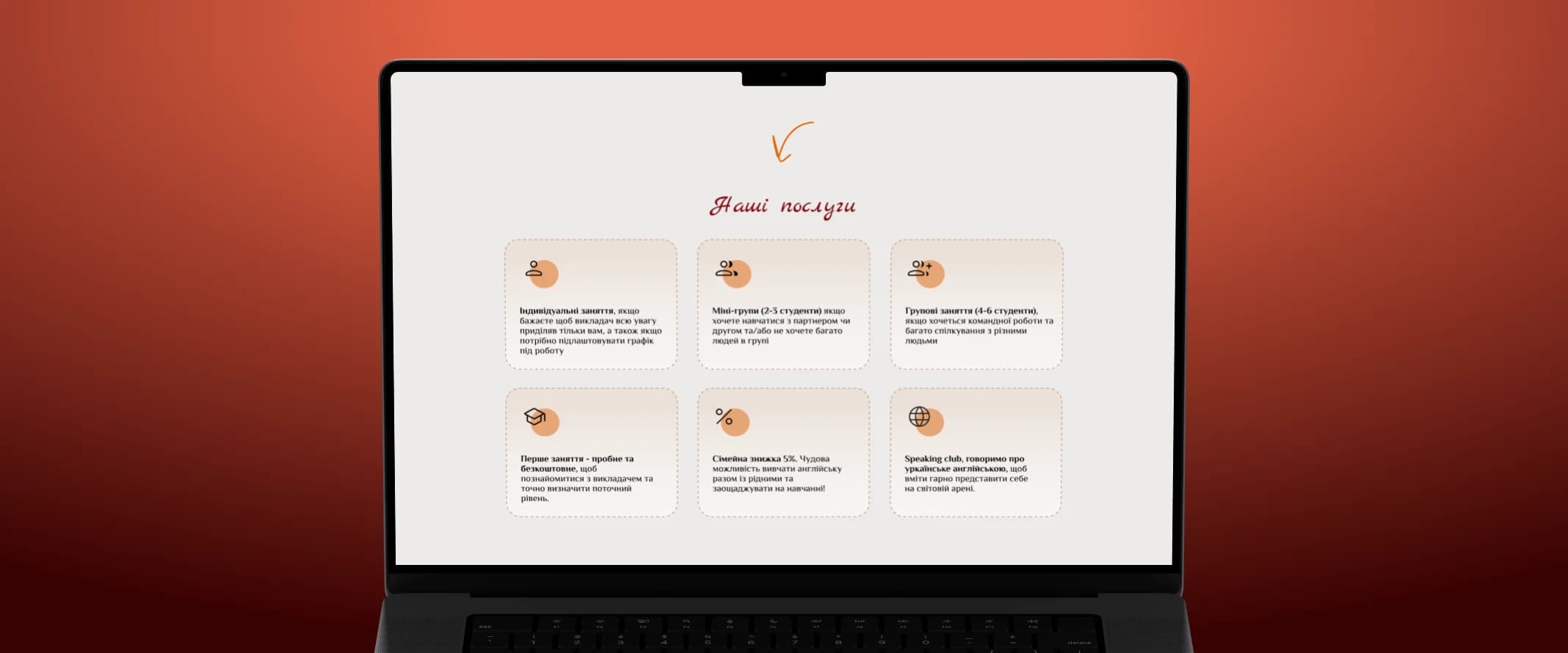
The final website presents ELCora with a minimalist interface, intuitive navigation and strategically placed calls to action for trial lesson sign-ups.
1
2
100%
ELCora needed a custom landing page based on client requirements, with a user-friendly structure, sign-up forms, animations, responsive performance and an editing workflow the team could manage after launch.
The information architecture highlights the courses, advantages and trial lesson path while keeping the page simple enough for quick decision-making.
The process followed the same structure we use for web design services: clarify the offer, design the conversion flow, build responsive pages and prepare content editing for the client team. Step five came a year after launch, when the school asked us to lower what the site costs to run.
We clarified how the page should explain online English lessons, the personalized approach and the path to a trial lesson.
The page structure prioritizes the school's key advantages, intuitive navigation, sign-up forms and clear calls to action.
We used animations to support engagement and prepared a fast responsive layout for desktop and mobile visitors.
The final implementation lets the ELCora team update content more easily while keeping the website polished and consistent.
We rebuilt the same design on Next.js and Payload CMS, moved the content into collections the client owns and retired the Webflow subscription without changing how the site looks.
The final site supports any device, keeps the main content accessible and includes SEO optimization so the school can be discovered more easily.

The visual direction uses a minimalist structure and focused content blocks so the school can explain methods, benefits and trial access without unnecessary noise.
The client received a modern landing page that effectively showcases the school and gives the team a flexible platform for content updates.

Victoria Semikina · CEO ELCora
The testimonial gives extra context on the landing page collaboration, delivery process and the result from the client side. It was recorded while the site was still on Webflow, before the migration.
The website was doing its job; the subscription behind it was the problem. ELCora asked what it would take to keep the site exactly as it is and stop paying platform rent for it. We rebuilt it on Next.js 16, Payload CMS 3 and Postgres, moved it to our own hosting and switched the domain over — the visitor sees the same site.
$5
0
7
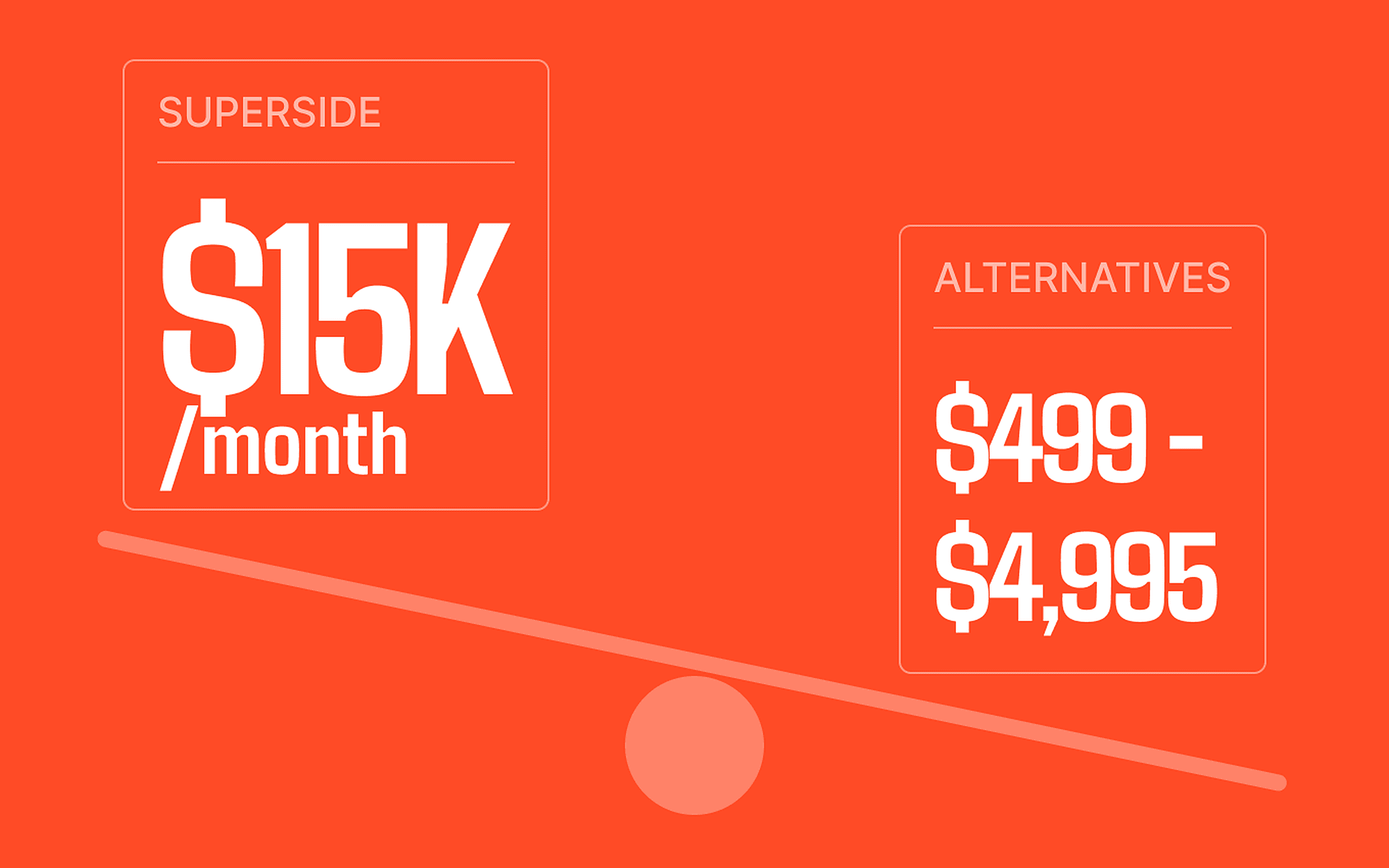
Whether the same move pays off for your site depends on three numbers, and most comparisons only show one of them: what the platform costs you now, what the migration itself costs, and how long the site has left before it is replaced anyway. Send the first number and a link — we will work out the other two and say plainly if the payback sits too far out to be worth it.
Leaving Webflow for Next.js trades a monthly platform bill for a one-off migration, cheaper hosting and code you own. Here is the full cost of staying versus moving, a 1-year and 3-year break-even with every assumption stated, and the cases where staying on Webflow is the better call.
Need a landing page that turns education value into a clear sign-up path?
The project included web design, Webflow development, responsive layout, animations, sign-up forms, SEO optimization and editable content setup. See the related web design services.
No. The brief was that the design does not change, so the layout, typography, animations and URLs were preserved. Titles, meta descriptions and structured data moved with the site, and the Webflow CDN assets were brought into the project before the subscription was cancelled. The same approach is described on the Webflow to Next.js migration page.
Tell us what you are building and we'll reply within one working day with a fixed price for the site or the first phase, or with the two or three questions we need answered first.
Prefer to talk? Book a free intro call.